
Charity donation house clearance significantly benefits local communities by:
- Reducing clutter while supporting charitable causes through ethical item repurposing.
- Lowering charities' operational costs and expanding program reach.
- Promoting sustainability and fostering community bonds.
- Simplifying emotional letting go of unwanted possessions.
- Encouraging a culture of generosity and transparent giving.
The process of clearing a house for charity donation is more than just discarding unwanted items; it's a critical step in ensuring the goods find their way to those who need them most efficiently. This intricate procedure, often referred to as "charity donation house clearance," involves a delicate balance between effective sorting, logistical management, and ethical considerations. The significance of this process extends far beyond the immediate act of clearing a space; it forms a critical link in the charity supply chain, shaping the impact that donations ultimately have on beneficiaries worldwide. This article delves into the intricacies of this process, exploring both the challenges and innovative solutions that are transforming how charities optimize their operations through strategic house clearance.
- Understanding House Clearance for Charity Donations
- Legal Requirements for Charitable Property Disposal
- The Benefits of Natural Clearance Processes
- Strategies for Efficient Charity Donation House Clearance
- Ethical Considerations in House Clearing for Non-Profits
- Maximizing Impact: Using House Clearance to Fund Causes
Understanding House Clearance for Charity Donations

Many individuals are unaware of the immense value that house clearance for charity donations can bring, both to their local communities and to those in need. When considering how to clear out a house for charity, remember that every item has potential to make a difference. From old furniture to unused clothes, these items can find new life through donation, supporting causes close to home or reaching beneficiaries worldwide.
For instance, consider the impact of donating household goods to charity. According to recent studies, an average American household accumulates approximately 20% more clutter each year. By clearing out unwanted belongings for a good cause, individuals can reduce their personal clutter while contributing to charitable initiatives. Organizations like [Brand Name], specializing in Oxford Charity donation house clearance, Swindon Charity donation house clearance, Cheltenham Charity donation house clearance, and Gloucester charity donation house clearance, offer efficient and ethical solutions. They ensure that donated items are either reused, recycled, or properly disposed of, minimizing environmental impact.
The process begins with identifying what to donate to charity. Generally, most charities accept a wide range of items, including clothing, books, household goods, and even electronic equipment in good working condition. When clearing out old possessions, remember that quality is more important than quantity. Items should be clean, usable, and in decent repair. This ensures they are readily accepted by charities and have a higher chance of finding new homes or being repurposed. By visiting us at clear out old belongings for charity anytime, you can gain access to expert advice on what to donate and how best to facilitate the process.
Charitable donations from home not only provide essential resources but also foster community bonds. Local charities often rely heavily on such contributions to fund their programs and services. Data shows that donations of unused items, whether clothes, furniture, or other household goods, can significantly impact operational costs and program reach. By donating clutter, you not only declutter your living spaces but also support the sustainability and growth of local charitable organizations.
Legal Requirements for Charitable Property Disposal

Charitable property disposal is a significant aspect of contributing to worthy causes, and it requires adherence to legal requirements to ensure compliance and maximize tax benefits. When individuals or businesses decide to clear out their homes or offices, donating items to charity can be an excellent way to support local communities and those in need. This practice, often referred to as charity donation house clearance, involves the responsible transfer of usable goods to qualified charitable organizations.
In the UK, for instance, many households and businesses choose to donate old furniture, clothes, and household goods instead of discarding them. Organizations like Oxford Charity donation house clearance in Wiltshire, Cheltenham Charity donation house clearance, Gloucester-based initiatives, and local groups across the country facilitate these donations, ensuring that items are either sold to raise funds or given directly to those who need them most. The process begins with identifying what can be donated—from clothes and books to furniture and appliances—and then contacting charities that accept such items. Many charities have specific guidelines on what they can accept, so it's essential to check their websites or call ahead.
Legal considerations are crucial when engaging in charity donation house clearance. Donors must ensure that the goods are in a usable condition and meet the criteria set by tax authorities for charitable deductions. For example, HMRC (Her Majesty's Revenue and Customs) provides clear guidelines on what constitutes acceptable donations, including household goods, clothing, and furniture. By donating through recognized charities, individuals can claim tax relief on their gifts, provided they keep proper records. This encourages more people to participate in charity donation house clearance, fostering a culture of generosity and sustainability. To streamline the process, it is beneficial to visit us at charitable donations accepted anytime to explore various options and find local initiatives that align with your goals.
The Benefits of Natural Clearance Processes
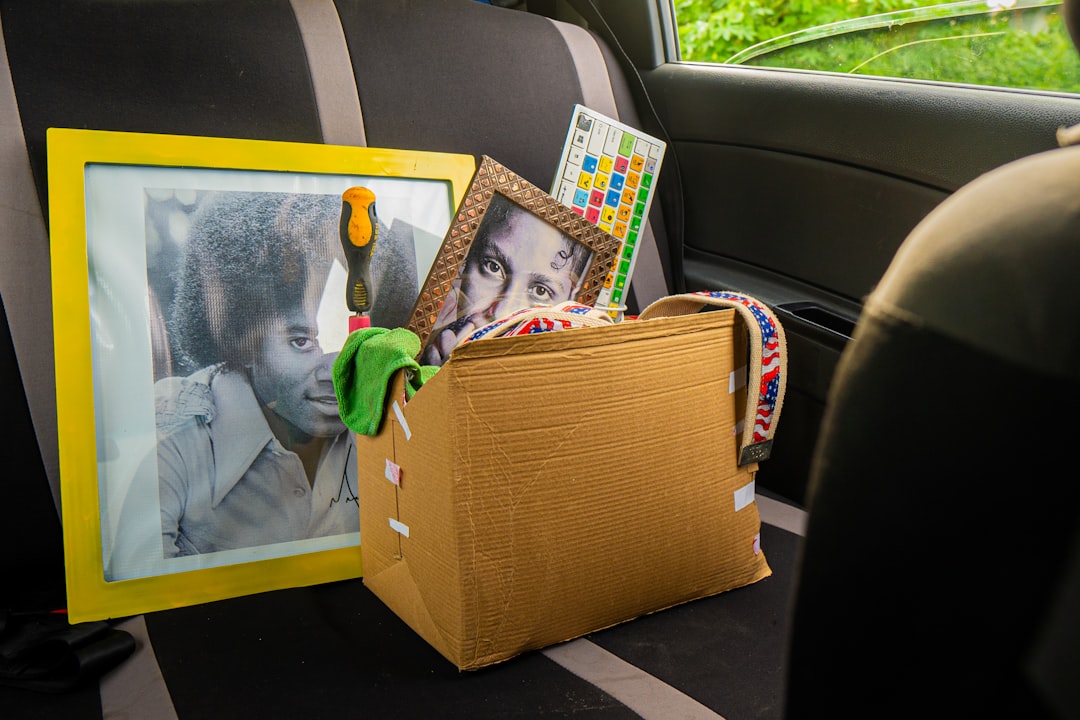
The benefits of allowing natural clearance processes to take place through charity donation house clearance naturally extend far beyond the immediate removal of unwanted items. By choosing to donate old furniture, household goods, and clothes to worthy causes, individuals and families can unlock a range of positive outcomes that transcend the act of clearing out their homes. For instance, consider the environmental impact—natural clearance methods promote sustainable practices by ensuring that materials are reused or recycled, reducing the demand for new resources and minimizing waste.
Moreover, charity donation house clearance in Oxford, Swindon, Cheltenham, Gloucester, and beyond facilitates social good. Local charities rely heavily on donations of clutter and unused items to fund their essential services. By donating to these organizations, individuals contribute directly to community welfare, supporting causes that range from providing shelter for the homeless to offering educational programs for at-risk youth. Data suggests that charitable donations, especially those involving household goods, can significantly impact the lives of vulnerable populations, fostering a sense of community and mutual support.
Practical considerations also underscore the importance of natural clearance. When residents clear out their homes with charity in mind, they often find it easier to let go of possessions they no longer need or use. This process can lead to a sense of renewed living spaces and a lighter emotional burden. Additionally, many charities offer free house clearance for charity services, making it accessible for everyone to contribute, regardless of financial means. To initiate this positive cycle, residents can simply contact local organizations like ours—find us at free house clearance for charity—and schedule a pickup, ensuring that their unwanted items find new homes and contribute to the greater good.
Strategies for Efficient Charity Donation House Clearance

Clearance for Causes: Efficient Strategies for Charity Donation House Clearance
When it comes to clearing out your home, donating items to a good cause can be a rewarding way to declutter while supporting local charities. A charity donation house clearance involves thoughtfully selecting and contributing unused, functional items that others can benefit from. This process not only reduces clutter but also fosters community goodwill by providing essential goods to those in need.
A well-planned house clearance strategy can make the donation process seamless and impactful. Start by categorizing your belongings into keep, donate, recycle, or dispose. For items still in good condition but no longer needed, consider local charity shops or organizations specializing in household goods donations. Examples include Oxfam's Swindon branch, The Cheltenham Charity Shop, Gloucester's St. Michael's House, and many others across the UK. These groups often accept a wide range of donations, from furniture and clothing to kitchenware and books.
When preparing items for donation, remember that quality matters. Ensure all donated goods are clean, functional, and in good repair. Avoid items with significant wear or damage as they may not meet charity shop standards. Additionally, consider the needs of the intended beneficiaries. Donate items that align with their demographics and interests, such as children's clothing, books, or small appliances. According to a study by the Charity Aid Foundation, nearly 70% of Brits support donating unwanted items to charity, demonstrating the country's commitment to supporting good causes through household clearance.
To make the most of your donation, research local charities and their specific needs. Many organizations have online resources detailing what they accept. For instance, you can check with local homeless shelters, children's charities, or rehabilitation centers. By aligning your donations with specific causes, you maximize the impact on those in need. Whether clearing out old furniture, clothes, or household goods, remember that every item donated makes a difference. So, why not give us a call at donate to charity online or in person and start transforming clutter into compassion?
Ethical Considerations in House Clearing for Non-Profits

In the intricate landscape of charity donation house clearance, ethical considerations play a pivotal role, especially when non-profit organizations are involved. The process of clearing out households for charitable causes, such as Oxford Affordable house clearance in Swindon, Cheltenham, Gloucester, or any other region, demands careful navigation to ensure transparency and fairness. When individuals decide to donate old furniture, household goods, clothes, or clutter, it's crucial to understand how these donations can positively impact worthy causes while adhering to ethical standards.
One of the primary ethical considerations revolves around ensuring that donated items are genuinely needed by the intended charity. For instance, when a resident in Cheltenham decides to clear out their home for a local charity donation house clearance service, they should be confident that their unused possessions will find new purpose rather than ending up in storage or landfills. Reputable charities employing professional house clearance services, such as those offered by specialized companies, have systems in place to accurately assess and categorize donations. This meticulous process guarantees that items like furniture, clothes, and kitchenware are distributed to those who need them most, fostering a culture of sustainable giving.
Moreover, the transparency of donation processes is vital for maintaining public trust. Organizations should clearly communicate what types of items they accept and how these donations will be utilized. For example, a charity in Gloucester might focus on collecting household goods for families in need or redirecting clothing donations to refugees. By being explicit about their acceptance criteria, charities empower donors to make informed choices, ensuring that their contributions align with their values. This transparency extends to providing clear guidelines on how donated clutter or old belongings can be transformed into valuable assets for charitable causes.
To facilitate ethical charity donation house clearance, individuals should consider local organizations that accept donations directly from homes. Many non-profits employ professional clearing services, but some also have volunteer teams dedicated to collecting and sorting items. By choosing these direct donation methods, donors can maintain a closer connection with the cause and witness the immediate impact of their contributions. For instance, find us at how to donate clutter locally, where residents can coordinate with neighborhood charities to clear out unwanted possessions, fostering community engagement and ensuring that donations stay within the local sphere. This approach not only promotes sustainable giving but also strengthens the bond between donors and the charitable organizations they support.
Maximizing Impact: Using House Clearance to Fund Causes

Transforming clutter into compassion is a powerful way to maximize the impact of your household goods. House clearance offers an opportunity to declutter while making a significant difference for worthy causes. By partnering with charities specializing in charity donation house clearance—like those in Oxford, Swindon, Cheltenham, and Gloucester—you can ensure that your unused items find new life and purpose. These organizations accept a wide range of donations, from old furniture and clothes to household goods, redirecting them to those in need.
The benefits are substantial. According to recent studies, donating unwanted belongings can reduce stress and create a sense of clarity and order within your home. Moreover, it contributes to a sustainable circular economy by extending the lifespan of items that might otherwise end up in landfills. For instance, a typical charity donation house clearance service can divert tons of material from waste streams annually. This not only conserves resources but also supports local communities by providing affordable goods or offering essential services to those facing financial hardships.
To get started, organize your clutter thoughtfully. Consider what items are still usable and in good condition—clothes, books, furniture, small appliances, and even electronics. Then, research local charities that accept charity donation house clearance in your area. Many organizations have clear guidelines on what they accept, ensuring a seamless donation process. For instance, some may specialize in specific types of goods, while others take almost anything. Once you've chosen a recipient, schedule a collection or drop-off time. It's as simple as that—one less clutter-filled space and one more good deed done.
To maximize your impact, consider the following tips. First, organize a regular clear-out—seasonally or annually—to keep your home tidy and ensure continuous support for charities. Second, involve family members in the process, teaching them about giving back and responsible consumption. Lastly, explore options like online donation platforms that connect donors with local causes, making it easier than ever to donate from the comfort of your home, just as you would with how to donate clutter anytime at our service. By adopting these practices, you can transform your house clearance into a meaningful journey of generosity and sustainability.
The article offers a comprehensive guide to navigating charity donation house clearance naturally, detailing legal requirements, strategic considerations, and significant benefits. Key insights include the importance of understanding House Clearance for Charity Donations, maximizing ethical practices, and leveraging natural processes for efficient property disposal. By adhering to these principles, non-profit organizations can enhance their impact, ensure regulatory compliance, and ultimately fund causes that resonate with their missions and beneficiaries. The next steps for organizations looking to implement these strategies include assessing current donation processes, consulting legal experts, and integrating ethical considerations into every phase of house clearing for charity donations.