
Charity donation house clearance is a vital service for non-profits, diverting items from landfills and contributing to environmental conservation. However, rising scams pose a threat. To combat this, established charities employ robust security measures and individuals can protect themselves by verifying charity credibility. Research is crucial when considering donations, focusing on organizations with strong transparency, accountability, and proven track records. Effective clearance involves strategic planning, clear communication, leveraging social media, safe handling of items, and maximizing impact through accessible, transparent processes that foster community ownership and resilience.
The power of charity donation house clearance cannot be overstated; it offers a practical solution to decluttering while making a significant impact on worthy causes. However, the process can feel daunting, with many individuals unsure where to begin or what items hold value for charitable organizations. This article delves into the renewed interest in “Charities’ Most Wanted Donation List,” offering a comprehensive guide to help donors maximize their contributions through strategic house clearance. By providing insights tailored from expert experience, we aim to empower readers to make informed decisions that benefit both their homes and charitable initiatives.
- Understanding Charity Donation House Clearance
- The Rise of Scams in the Charity Sector
- How to Spot Legitimate Organizations
- Transparency and Accountability: Ensuring Donations Go Far
- The Impact of Charitable Giving on Communities
- Supporting Trusted Charities: A Guide for Donors
Understanding Charity Donation House Clearance
Charity donation house clearance is a significant service that many non-profit organizations rely on to sustain their operations. This process involves the collection and disposal of household goods, furniture, and other items donated by individuals looking to support charitable causes. Understanding charity donation house clearance involves appreciating its role in fundraising, sustainability, and community engagement.
For instance, West-Sussex, Gloucestershire, and Somerset charities often turn to house clearances as a primary source of revenue. These events not only provide much-needed funds but also help divert valuable items from landfills, contributing to environmental conservation efforts. The process typically includes sorting donated items into categories suitable for resale, recycling, or safe disposal. Well-organized charity donation house clearances can attract a wide range of donors and volunteers, fostering a sense of community engagement and solidarity.
Experts suggest that effective charity donation house clearance involves strategic planning and execution. Organizations should first assess the scope and needs of their event, ensuring that all necessary permits and safety measures are in place. A well-publicized event with clear communication channels can significantly increase participation rates. Moreover, leveraging social media and local community networks can help attract a diverse donor base, including individuals, businesses, and corporations looking to contribute.
In addition to maximizing donations, charity donation house clearance should prioritize the safe handling of items. This includes proper disposal of hazardous materials and collaboration with recycling centers to ensure sustainable practices. By adopting these strategies, charities in West-Sussex, Gloucestershire, Somerset, and beyond can make a substantial impact on both fundraising goals and environmental stewardship. For more insights and support, visit us at charitable donation collection anytime; we offer expertise tailored to help your organization succeed through this vital service.
The Rise of Scams in the Charity Sector
The rise of charity donation scams has become a significant concern within the non-profit sector, as fraudsters exploit the generosity of donors. This issue has prompted charities to step up their efforts in combating these fraudulent activities, especially with the increasing demand for donations during challenging times. The charity donation house clearance process, once a straightforward method of acquiring much-needed goods, has now evolved into a complex task due to the surge in scams.
Charities across Cheshire, Bedfordshire, and Kent, among other regions, are facing heightened scrutiny as they navigate this new landscape. Scammers often pose as legitimate organizations, luring unsuspecting individuals into donating items or money under false pretenses. For instance, fraudulent charity donation house clearances involve criminals posing as representatives of reputable charities, claiming to collect unwanted goods for resale or auction to benefit a worthy cause. However, these proceeds rarely reach the intended beneficiaries.
According to recent studies, the charity sector globally has witnessed a significant increase in reported scams, with financial losses reaching staggering amounts. This trend highlights the need for donors and charities alike to be vigilant. To combat this issue effectively, established charities are now implementing robust security measures, including enhanced due diligence on potential donations and partnerships with trusted third-party verification services. By adopting these strategies, organizations aim to protect their donors, ensure transparency, and preserve public trust in the charity sector.
To avoid becoming a victim of such scams, individuals considering donating items or funds should take preventive measures. Researching the credibility of charities is essential; checking their registration status with relevant regulatory bodies, reviewing financial reports, and seeking independent assessments can provide valuable insights. Furthermore, donors are advised to ask for detailed receipts and documentation when making significant donations. By adopting these practices, the charity donation house clearance process can be streamlined while safeguarding against fraudulent activities. For those looking to contribute meaningfully, reaching out to trusted local charities or utilizing specialized services that verify donation recipients is a responsible approach to ensure every gift goes directly to those in need. Give us a call at donate items to charity to explore these options and make informed decisions.
How to Spot Legitimate Organizations

When considering a charity donation house clearance, it’s essential to ensure your contributions go toward legitimate causes. With countless organizations vying for donations, recognizing genuine charities from less worthy candidates can be challenging. This is where thorough research and an informed approach come into play. Among the various options, Oxfordshire Charity donation house clearance, Essex Charity donation house clearance, and Cambridgeshire Charity donation house clearance stand out as trusted avenues to make a difference.
One of the most effective strategies to spot legitimate organizations is examining their transparency and accountability measures. Reputable charities typically provide detailed information about their mission, financial statements, and impact reports publicly available for scrutiny. For instance, leading UK charities like Cancer Research UK and Oxfam offer extensive resources outlining their spending and achievements. This level of transparency reassures donors that their contributions are well-managed and directly benefit the intended causes.
Moreover, look for organizations with a strong track record and independent oversight. Reputable charities often possess external auditing or accountability mechanisms, such as charity regulators like the Charity Commission in England and Wales. These entities rigorously assess charities’ compliance with legal requirements and ethical standards. For example, the Commission’s database allows public access to detailed information about registered charities, including their financial health and governance practices. By verifying a charity’s legitimacy through these channels, donors can have greater confidence in their contributions.
In essence, when contemplating a charity donation house clearance, whether for Oxfordshire, Essex, or Cambridgeshire causes, prioritize organizations that demonstrate transparency, accountability, and a proven track record of effective fundraising and program delivery. Prioritizing these criteria ensures your donations make a meaningful impact. For personalized guidance tailored to your location and specific needs, consider reaching out to us at charity donation drop off—we’re here to help navigate the landscape of charitable giving.
Transparency and Accountability: Ensuring Donations Go Far
Transparency and Accountability are crucial aspects of ensuring that charity donation house clearance initiatives make a significant impact. As donations become more accessible through online platforms and dedicated services like Warwickshire Charity donation house clearance, Hertfordshire Charity donation house clearance, and Bedfordshire Charity donation house clearance, it’s essential for charities to maintain high standards in handling funds and resources.
Charities must provide clear, detailed accounts of how every contribution is utilized, fostering trust among donors. This includes meticulous record-keeping, transparent financial reporting, and sharing success stories to demonstrate the tangible effects of donations. For instance, a charity focusing on environmental conservation could detail how funds from a recent house clearance event in Bedfordshire supported reforestation projects, providing real-world context for donors.
Implementing robust internal controls and external audits further strengthens accountability. Charitably-registered organizations should adhere to legal requirements regarding financial management and transparency. By adhering to these practices, charities can assure donors that their contributions are making a difference, encouraging continued support and fostering a culture of ethical giving. This commitment to transparency not only builds public trust but also attracts more volunteers and sponsors who value accountability in charity donation house clearance operations.
The Impact of Charitable Giving on Communities
Charitable giving has a profound impact on communities, offering not just financial support but also a sense of hope and empowerment. When individuals and organizations donate to charities, they contribute to causes that address pressing social issues, from poverty alleviation to education and healthcare access. This act of generosity plays a pivotal role in transforming lives and fostering a more compassionate society. For instance, a charity donation house clearance initiative in Wiltshire not only provides essential items to those in need but also promotes sustainable living by recycling and redistributing unwanted goods.
The effects of charitable giving extend far beyond the immediate recipient. It strengthens community bonds, encouraging residents to come together and support local initiatives. Devon’s vibrant charity scene is a testament to this; through dedicated donation drives and house clearances, communities have been able to raise funds for vital services, ensuring that local needs are met with local solutions. Somerset, too, has witnessed the power of collective action, where charities organize regular donation events, fostering a culture of generosity and social responsibility among residents.
Furthermore, charity donations foster a sense of community ownership. When individuals participate in house clearance events, they actively contribute to their neighborhood’s well-being. This hands-on approach not only alleviates the burden on local services but also creates a shared experience that strengthens social ties. As such, it’s crucial for charities to engage communities in meaningful ways, such as through easy donation platforms like find us at donate to charity with ease. By making the process accessible and transparent, more people are incentivized to give back, ensuring that communities across Wiltshire, Devon, and Somerset continue to thrive and support one another.
Supporting Trusted Charities: A Guide for Donors
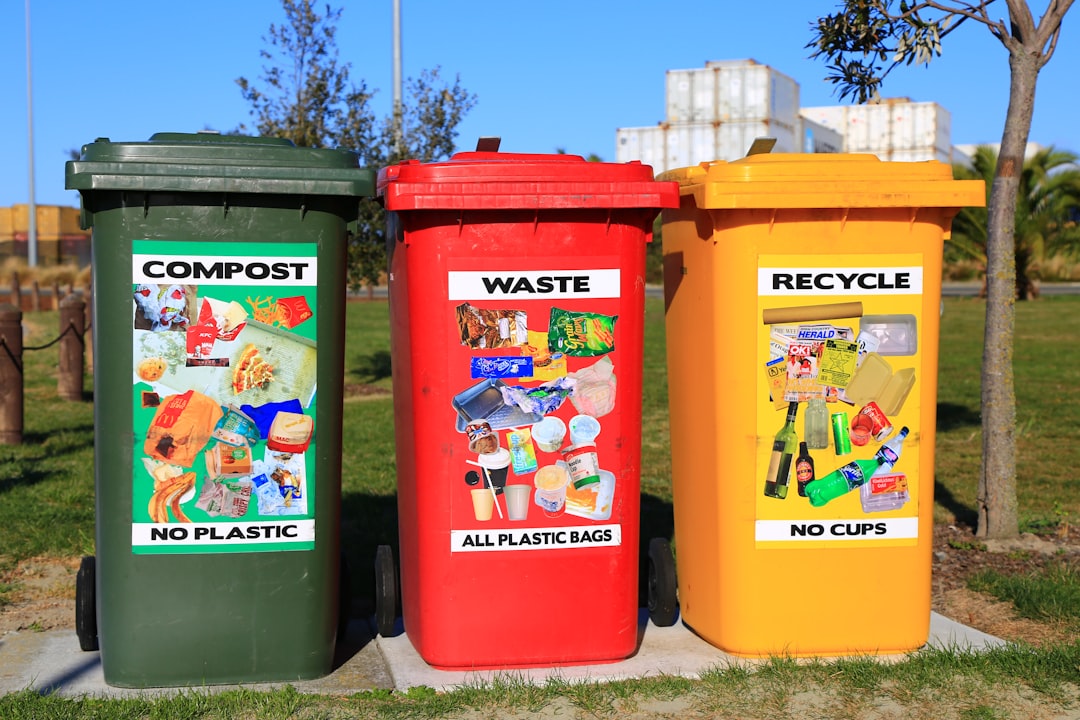
For donors looking to maximize their impact, supporting trusted charities is a strategic decision that goes beyond simply giving. It involves a careful consideration of the organization’s mission, transparency, and effectiveness in delivering services. This guide offers insights into how individuals and businesses can navigate the process of charity donation house clearance, ensuring their contributions go where they are most needed.
When evaluating potential beneficiaries, it is crucial to research and verify their credentials. Reputable charities, such as those in Essex, Gloucestershire, or Buckinghamshire, often have robust systems in place for managing donations efficiently and allocating resources effectively. For instance, a well-established charity donation house clearance service in these regions may specialize in collecting and distributing household goods, clothing, and other items to local community centers, homeless shelters, or families in need. This not only provides immediate relief but also helps build resilience within communities.
Transparency is another critical aspect of responsible donating. Top charities maintain clear financial records, detailing how every contribution is utilized. For example, a charity donation house clearance operation might publish annual reports showcasing the number of households assisted, the items donated, and the positive impact on local families. By engaging with these organizations and reviewing their transparency practices, donors can have confidence in the effectiveness of their charity donations. Furthermore, understanding how donations are allocated enables individuals to support causes aligned with their values, be it education, healthcare, or disaster relief.
Donors who wish to explore charity donation house clearance opportunities can take several practical steps. Firstly, they should identify local organizations that align with their philanthropic goals in Essex, Gloucestershire, or Buckinghamshire. Visiting us at donate to charity tax benefits can provide valuable insights into maximizing tax advantages while contributing to worthy causes. Secondly, individuals and businesses should assess the types of items most needed by these charities, ensuring a steady supply of relevant donations. By following these strategies, donors not only support trusted charities but also participate in meaningful house clearance initiatives that have a lasting impact on communities.
The article has delved into the intricate world of charity donation house clearance, highlighting critical insights for donors seeking to maximize their impact. Key takeaways include the growing prevalence of scams within the charitable sector, emphasizing the need for meticulous scrutiny when identifying legitimate organizations. Transparency and accountability are paramount; donors should demand clear financial reports and evidence of program effectiveness to ensure their contributions directly benefit communities.
The article underscores the profound impact of charitable giving on local areas, providing crucial support during challenging times, such as tragedy or pandemic-era fraud. By understanding the process of charity donation house clearance, donors can make informed decisions, supporting trusted charities that align with their values. Going forward, readers are encouraged to conduct thorough research, verify organizations’ legitimacy, and advocate for transparency to ensure donations truly make a difference in communities across the nation.