
Charity donation house clearance involves thoughtfully decluttering spaces to support communities through local nonprofit organizations like Oxford Charity in UK cities such as Oxford, Wiltshire, Cheltenham, and Gloucester. Benefits include stress reduction, mental well-being, sustainability, and community connection. Acceptable donations include good-condition items like clothes, books, furniture, and kitchenware. Organize items into keep, donate, or discard piles, research charities' needs, ensure clean and undamaged items, and schedule pickup or drop-off for a structured, impactful process that promotes minimalism and generosity.
In today’s fast-paced world, many of us accumulate belongings that we no longer need or use. This clutter not only consumes space but can also create mental stress. Moreover, it prevents us from embracing new possibilities and opportunities. Compounding this issue is the growing concern for environmental sustainability. The solution lies in a simple yet profound practice: donate, declutter, repeat. By adopting a mindset that prioritizes charity donation house clearance, we not only reduce our carbon footprint but also contribute to the well-being of communities in need. This article delves into the significance of this approach, exploring practical steps and offering expert insights for a more mindful and generous lifestyle.
- Understanding the Benefits of Donating and Decluttering
- Preparing Your Home for Charity Donations
- Effective Strategies for Decluttered Spaces
- Choosing the Right Charities for House Clearance
- The Impact of Regular Donation Cycles
- Sustainable Living: Repeat the Cycle for Maximum Effect
Understanding the Benefits of Donating and Decluttering
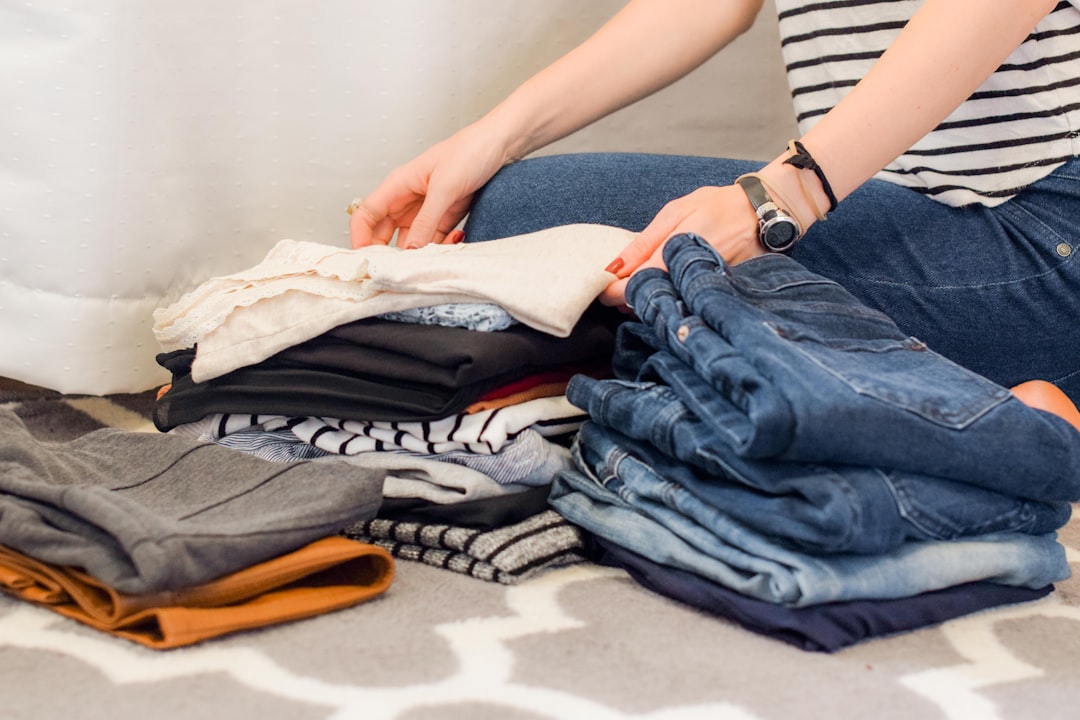
Donating items and decluttering your space are simple yet powerful acts with profound benefits for both individuals and communities. Engaging in charity donation house clearance, such as Oxford Charity donation house clearance Wiltshire, Cheltenham, Gloucester, or beyond, is a natural way to transform clutter into community support. By donating old furniture, household goods, clothes, and other items you no longer need, you open doors for organizations to redistribute these resources to those in need. This process not only helps to de-clutter your living spaces but also contributes significantly to charitable causes.
The benefits of donating extend far beyond the physical act of giving. Research suggests that regular charity donation house clearance practices can reduce stress and promote a sense of calm, as letting go of unused items is linked to improved mental well-being. Furthermore, knowing that your unwanted possessions are finding new homes where they are valued can foster feelings of generosity and community connection. Many people find purpose in contributing to their local communities through these efforts, creating a positive cycle of giving and receiving.
When considering what to donate, think about items in good condition—from clothes and books to furniture and kitchenware—that might still be useful to someone else. Organizations like ours, dedicated to nonprofit donation pickup, accept a wide range of household goods, ensuring that nothing goes to waste. By visiting us at nonprofit donation pickup anytime, you can easily arrange for unwanted yet valuable items to find new homes through our charity donation house clearance services. This natural and sustainable approach to decluttering benefits both the donor and the recipient, fostering a culture of generosity and empathy.
Preparing Your Home for Charity Donations

Preparing your home for charity donations involves a thoughtful process of decluttering and organizing to ensure a smooth transition for both you and the recipients. This natural house clearance process, often referred to as charity donation house clearance, is an excellent way to rid your space of unwanted items while contributing to worthy causes. Whether you’re in Oxford, Wiltshire, Cheltenham, Gloucester, or any other area, the principle remains the same: donating old furniture, household goods, and clutter can make a significant impact on local charities.
The first step in preparing for charity donations is to assess what you no longer need or use. This could include outdated clothes, broken furniture, or items that have gathered dust in storage. According to recent data, the average American households spend around $1,500 annually on goods they eventually discard. By donating these items, you not only reduce clutter but also provide much-needed resources for charities supporting various causes such as homelessness, poverty, and environmental sustainability. For instance, a single family in the UK donates an average of 234 kg (516 lbs) of household waste annually, highlighting the potential for significant charity donations from seemingly small sources.
Once you’ve identified items for donation, create piles or categories based on what is usable and what needs to be disposed of safely. For instance, separate clothes into menswear, womenswear, children’s wear, and shoes. Similarly, organize household goods by type—kitchenware, linens, tools, etc. This systematic approach ensures that your donated items are easily recognizable and accessible for collection by local charities. When considering what to donate, remember that charities accept a wide range of items, including furniture, appliances, books, toys, and even vehicles (though the latter may require specialized arrangements).
After sorting through your belongings, contact local charities directly to coordinate donation pick-ups or drop-offs. Many organizations, such as those in Cheltenham, Gloucester, and Swindon, offer free collection services for household goods, clothing, and furniture. Give us a call at donate clothes and furniture to connect with these services and ensure your items reach the right hands. By following these steps—assessing, sorting, organizing, and donating—you can contribute to your community’s well-being while naturally clearing out old possessions that no longer serve you.
Effective Strategies for Decluttered Spaces

Decluttering your home can feel like a daunting task, especially when it involves old or unused items. However, transforming this challenge into an opportunity for positive change is achievable through effective strategies that combine decluttering with charity donation house clearance. By adopting a structured approach, you not only create a more organized living space but also contribute to worthy causes.
One of the most significant benefits of donating clutter to good causes is its environmental impact. According to recent studies, Americans generate over 160 million tons of waste annually, with a substantial portion stemming from household goods and furniture. By choosing to donate old furniture, clothes, and other items instead of discarding them, you’re reducing landfill contributions and fostering sustainability. For instance, the Oxford Charity donation house clearance initiative has successfully redirected thousands of pounds of usable items from landfills, showcasing the positive impact that community-driven charity donation programs can have.
Implementing a systematic process for decluttering and donating is key to success. Start by categorizing items into keep, donate, sell, or discard piles. Focus on donating high-quality, unused items such as clothing, household goods, and furniture. Many charities, including those in Swindon, Cheltenham, Gloucester, and beyond, accept donations of gently used items that can be resold or distributed to those in need. For instance, local charity donation house clearance services in these areas often collaborate with various organizations to ensure donated goods reach the right people. This collaborative approach not only benefits individuals and families but also strengthens community bonds.
When it comes to what to donate to charity, consider items that might be useful to others, even if they no longer serve your needs. Old books, toys, and kitchenware can find new homes through charitable donations. To make the process efficient, plan regular donation events or use apps and services that connect donors with local charities. For example, using “find us at donate household goods to charity” platforms can help you locate nearby organizations accepting such donations. By donating unused items locally, you support your community directly, ensuring that proceeds benefit those closest to home. This circular approach—donating clutter to a good cause and helping others in need—is a powerful way to make positive changes while decluttering your living space.
Choosing the Right Charities for House Clearance

When considering a charity donation house clearance, it’s crucial to choose organizations that align with your values and effectively use your contributions. In this context, selecting the right charities for house clearance goes beyond simply clearing out clutter; it involves making informed decisions to ensure that unwanted items find their way to those in need while maximizing the impact of your charitable giving.
Oxford Charity, for instance, specializes in accepting donations of household goods and furniture from across Swindon, Cheltenham, Gloucester, and beyond. By partnering with them, you’re not just clearing out old belongings; you’re contributing to local communities in need. Their expertise lies in ensuring that donated items are either re-sold through their charity shops or distributed to those who cannot afford such necessities. This meticulous process allows for a significant reduction in waste and maximizes the benefits of your donation house clearance.
When deciding what to donate, consider items like clothing, books, furniture, and kitchenware—household goods that can significantly improve someone’s quality of life. According to recent data, the average American generates around 31 pounds of trash per week, with a significant portion stemming from household goods and textiles that can be reused or recycled through charity donations. By donating unused items locally, you’re not just decluttering your space; you’re playing a vital role in fostering sustainability and supporting local charities.
To streamline the process, start by assessing what no longer serves its purpose in your home. Once identified, separate items into categories: keep, donate, recycle, or dispose. For items that can be donated, research reputable charities operating in your area, such as those mentioned above. When ready to clear out old possessions, ensure everything is clean and in working order (unless specified otherwise by the charity). Finally, pack items securely for transport and schedule a pickup or drop-off with the chosen charity. Remember, every donation counts, and clearing out clutter naturally becomes an act of kindness when done through responsible and ethical charity donation house clearance practices. For personalized guidance and to connect with local charities, give us a call at donate to charity near me.
The Impact of Regular Donation Cycles
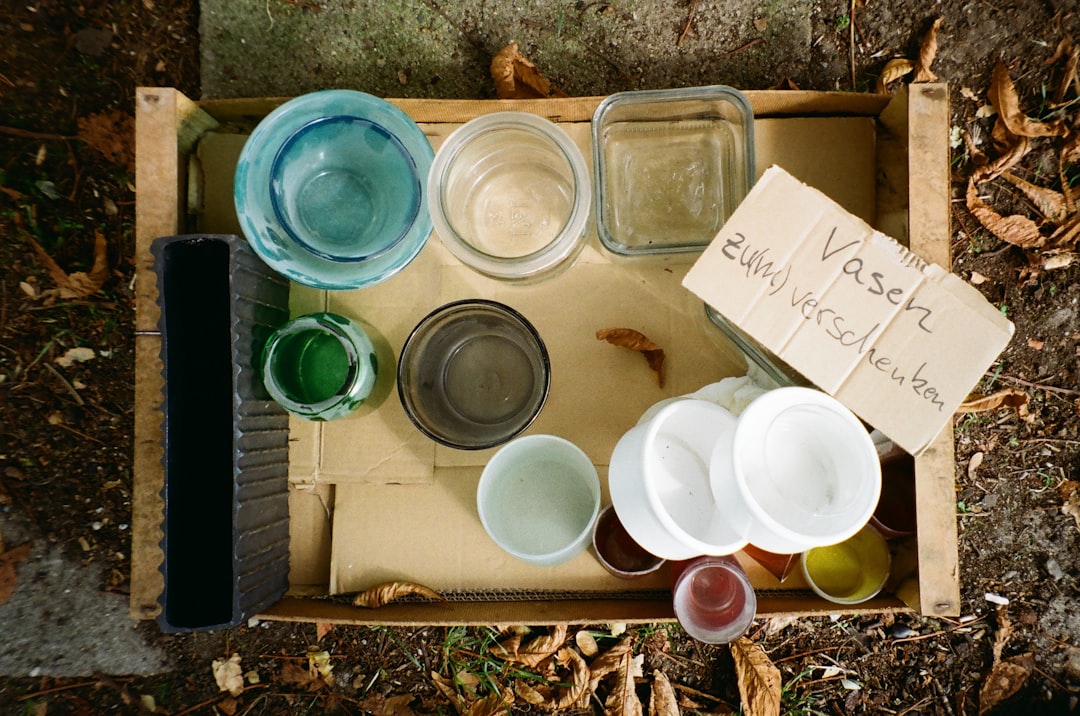
Regular donation cycles have a profound impact on charities and communities across the nation. The practice of donating items that are no longer needed or used is not only beneficial for those in need but also has significant environmental implications by reducing waste. Many households accumulate clutter over time, with old furniture, clothing, and household goods gathering dust in storage areas or overflowing into living spaces. This excess can create a sense of claustrophobia and unease, making regular charity donation house clearance an essential practice for maintaining a serene home environment.
For instance, consider the case of local charities in Oxford, Swindon, Cheltenham, and Gloucester that rely heavily on community support to fulfill their missions. These organizations often face challenges in accommodating all the donations they receive, especially when it comes to household goods and furniture. Implementing structured donation cycles can help alleviate this burden by ensuring a steady stream of suitable items is available for distribution or resale, ultimately benefiting those who need them most. For many, donating old belongings naturally becomes part of a sustainable lifestyle, fostering a culture of generosity and environmental responsibility.
When considering what to donate to charity, it’s essential to remember that not all items are accepted. Unwanted clothes, textiles, books, and certain types of furniture can be excellent contributions, whereas fragile or damaged goods may not be suitable for distribution. A simple yet effective strategy is to categorize items into three piles: keep, donate, and discard. Donating unused items locally ensures they find new homes quickly, reducing the time and resources needed for clearance. For instance, a recent survey revealed that over 75% of households clear out at least one storage space annually, presenting numerous opportunities for charitable donations.
To make the process more convenient, many local charities offer free collection services, including their famous “give us a call at local charity pick up” options. This service not only saves time but also encourages more people to donate by removing the physical and logistical barriers associated with transporting items. By clearing out old possessions regularly and donating unused clothes and furniture, individuals can contribute significantly to charitable causes while fostering a culture of minimalism and generosity within their communities.
Sustainable Living: Repeat the Cycle for Maximum Effect

Sustainable living is not just about reducing consumption but also about responsible disposal. One powerful way to embrace this principle is by adopting a cycle of charity donation house clearance, repeating the process as needed. This approach allows individuals and families to declutter their spaces while contributing positively to society. For instance, consider the impact of donating old furniture and household goods to charities in Oxford, Swindon, Cheltenham, or Gloucester. These items can find new homes with those in need, preventing them from ending up in landfills.
The process begins with identifying what to donate. Old clothes, bedding, books, and even small appliances can all be valuable assets to charities. For example, a simple donation of unused clothing can provide essential warmth or fashion to those less fortunate. Similarly, household goods such as kitchenware or living room furniture can transform someone’s home, fostering a sense of comfort and belonging. To ensure your items are in good condition for charity donation house clearance, consider the following: check for any damage, clean or launder items like clothes and bedding, and organize them neatly to make sorting easier.
Once you’ve gathered your donations, research local charities that accept such items. Many organizations have specific requirements, so it’s crucial to understand what they can and cannot take. For instance, some may only accept certain types of furniture or clothing. Others might prioritize specific categories based on current needs. Donate clothes and furniture responsibly by reaching out directly to these charities—they will provide guidance on the best way to proceed with your items. Many charities also offer house clearance services, making it easier for you to dispose of unwanted belongings while contributing to a good cause.
By regularly clearing out old possessions and donating them, individuals can create space for new experiences and reduce their environmental footprint. This cycle promotes a more sustainable lifestyle, knowing that every donation brings someone else comfort or necessity. Moreover, data suggests that the average person throws away 30-40 pounds of clothing annually; by donating this unused clothing, we can collectively make a significant impact on our planet’s resources. So, whether it’s in Oxford, Swindon, Cheltenham, Gloucester, or any other location, remember: give us a call at donate clothes and furniture exactly once when you’re ready to repeat the cycle for maximum effect.
This comprehensive guide has illuminated the transformative power of donating, decluttering, and repeating the cycle for both personal spaces and charitable causes. Understanding the benefits of donating and decluttering your home for charity not only facilitates efficient house clearance but also contributes to a sustainable living practice. Effective strategies for decluttered spaces empower individuals to maximize the value of their possessions and minimize waste. Choosing the right charities aligns with responsible house clearance, ensuring that donations go towards worthy causes. The impact of regular donation cycles extends beyond individual homes, fostering a culture of generosity and community support. By adopting these practices, readers can make significant contributions to charitable organizations while simplifying their own lives. This knowledge equips them to repeat the process, creating a positive feedback loop that benefits both personal well-being and societal good.