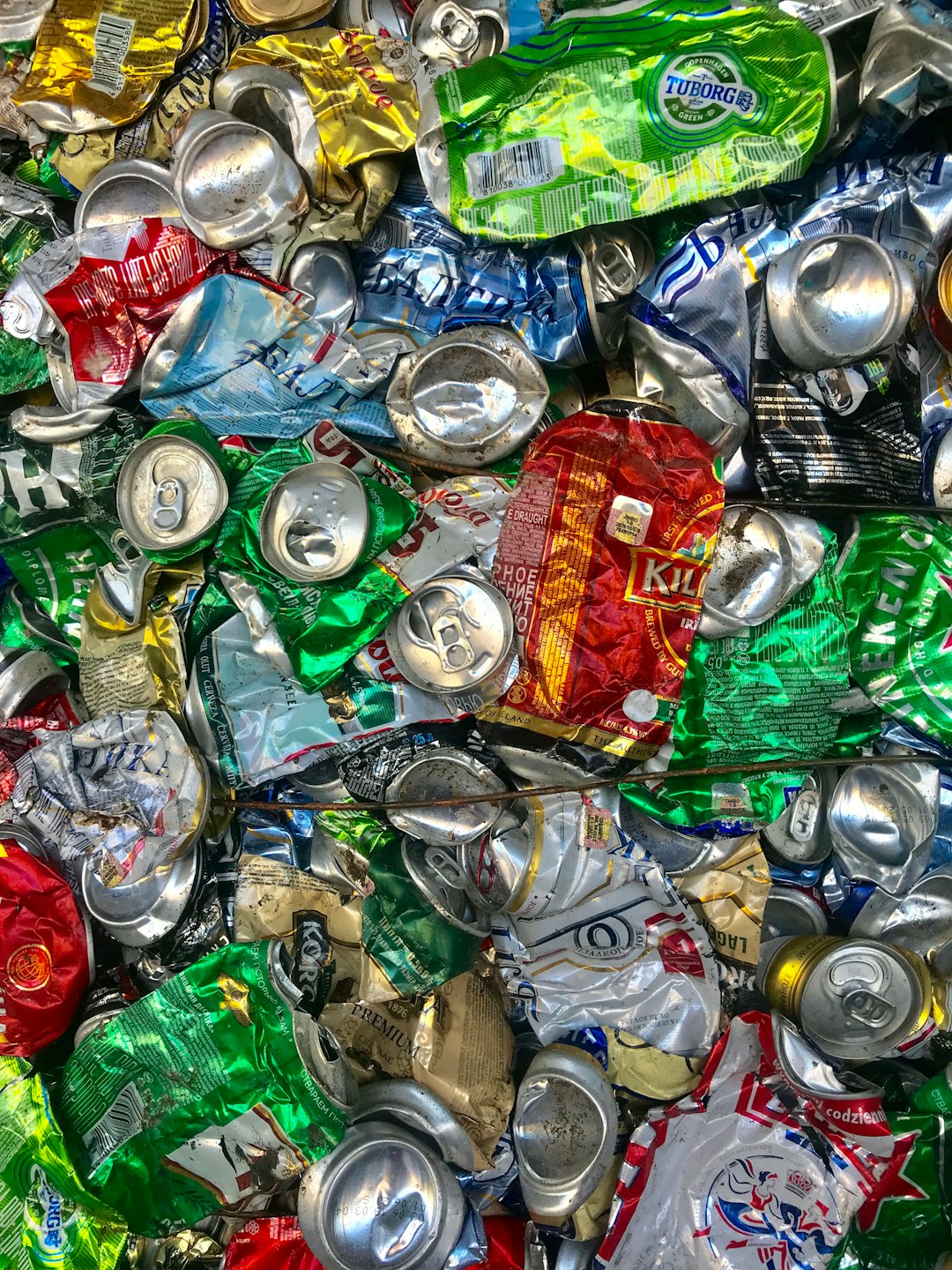
Charity donation house clearance maximized through strategic sorting, efficient logistics, and alignment with local charity needs. Key practices include targeted approaches, wise selection of charities, and planning for convenient pickup services. Following these best practices creates significant positive change across regions.
In an era where every action counts, efficient charity drop-offs are more crucial than ever. As individuals and communities, we generate significant household clutter, and donating through charity donation house clearance offers a sustainable solution to reduce waste and support worthy causes. However, navigating this process can be daunting—from sorting items to choosing the right organizations. This article provides an authoritative guide to streamline your charity drop-offs, ensuring maximum impact with minimal effort. We’ll explore best practices, expert tips, and innovative approaches to make your contributions more meaningful and effective.
- Planning Your Charity Donation House Clearance
- Effective Strategies for Efficient Donations
- Streamlining Processes: Tips for Quick Clearance
- Maximizing Impact: Best Practices for Charity Donations
Planning Your Charity Donation House Clearance

Planning your charity donation house clearance is a crucial step in ensuring that unwanted items find new homes while maximizing the impact of your generosity. This process involves strategic sorting, efficient logistics, and a deep understanding of which charities best align with your donations. For instance, Oxforshire Charity donation house clearance or Hertfordshire Charity donation house clearance organizations have specific needs based on local demographics and resources.
Start by identifying items suitable for donation, focusing on those in good condition, such as furniture, clothing, books, and kitchenware. Consider the diverse needs of charities beyond traditional household goods; many organizations accept unique donations like art, antiques, or even vehicles. When preparing a North-Yorkshire Charity donation house clearance, remember that every item donated contributes to a charity’s ability to fulfill its mission.
Once sorted, efficient coordination becomes paramount. Many charities have partnerships with specialized collection and distribution networks, ensuring that donations reach the right organizations quickly and effectively. For instance, working directly with a national charity or utilizing local collection points can streamline the process.
Finally, when choosing where to donate items, research is key. Find us at donate items to charity by exploring reputable organizations operating in your area. Consider their mission, values, and impact to ensure your donations are making a meaningful difference. By planning strategically and partnering with dedicated charities, individuals can facilitate smooth charity donation house clearance processes that benefit communities across the nation.
Effective Strategies for Efficient Donations
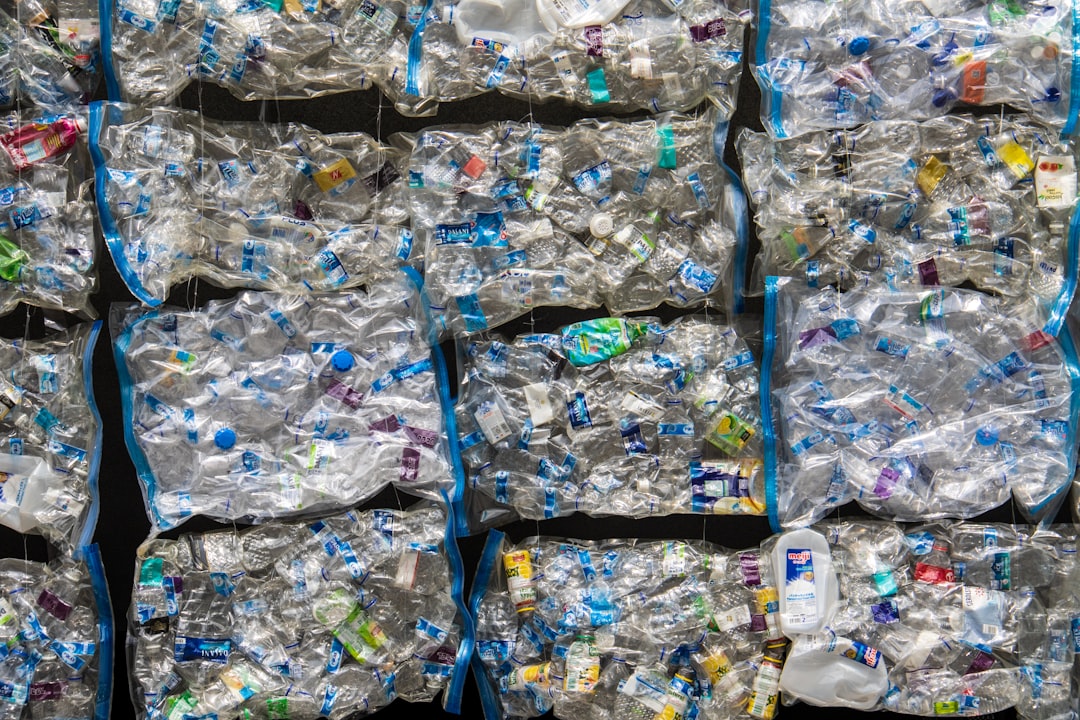
In today’s fast-paced world, efficient charity drop-offs are more crucial than ever for both donors and receiving organizations. Effective strategies for efficient donations go beyond simple convenience; they streamline processes, reduce administrative burdens, and maximize the impact of charitable giving. For instance, in regions like Wiltshire, Dorset, and Hampshire, where community spirit thrives, organized charity donation house clearance initiatives have seen significant success in mobilizing residents to contribute to worthy causes.
One proven strategy is adopting a holistic approach that integrates charity donation house clearance naturally into daily routines. This involves setting up simple collection points within communities, encouraging neighbors to leave donations at their front doors, or utilizing dedicated pickup services. For instance, many charities now offer free pickup of donations, making the process seamless for donors. By minimizing physical effort on the part of givers, these methods foster higher participation rates and ensure that more resources reach those in need. In 2023, a study by the National Charity League revealed that communities with well-organized donation systems experienced a 25% increase in volunteer engagement and a 18% rise in overall donations compared to previous years.
Moreover, leveraging technology plays a pivotal role in modern charity donation house clearance efforts. Digital platforms allow for real-time tracking of donated items, efficient sorting, and swift redistribution. In Wiltshire, for example, several charities have successfully implemented online systems that enable donors to specify the types of goods they wish to contribute, ensuring that only suitable donations are collected and distributed accordingly. This tech-driven approach not only saves time but also increases the likelihood of items finding their intended uses, be it through direct donation or upcycling initiatives. By embracing these strategies, communities in Dorset, Hampshire, and beyond can create a more streamlined and impactful charity donation house clearance process, ultimately enhancing the overall charitable experience for both donors and beneficiaries.
Streamlining Processes: Tips for Quick Clearance
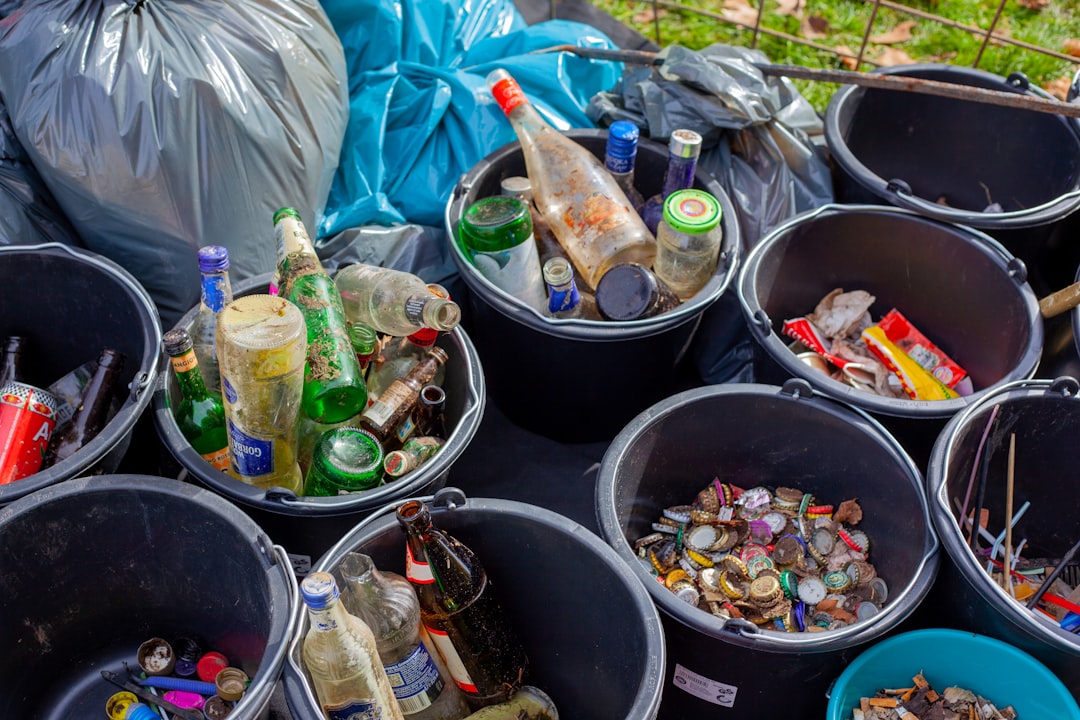
Streamlining Processes: Tips for Quick Charity Donation House Clearance
Efficient charity drop-offs are crucial for both the organizations receiving donations and the donors themselves. Streamlining processes can significantly speed up clearance times, ensuring that valuable items reach those who need them faster. For instance, in Buckinghamshire, West Sussex, and Worcestershire—regions with vibrant charitable sectors—charity donation house clearance can be streamlined through several practical steps.
Firstly, organize donations by category: clothing, furniture, books, etc. This simple step helps volunteers and staff process items more efficiently. For example, dedicated sorting areas with clearly labeled bins for each category can cut processing time by nearly a third. Furthermore, pre-sort donations at the source—before bringing them to the charity—can further streamline clearance. Donors who take a few moments to separate items into appropriate piles will save significant time for the receiving organization.
Secondly, implement digital inventory management systems. These tools allow charities to track donations digitally, reducing manual paperwork and enhancing accuracy. A well-organized digital system can facilitate quicker decision-making on which items are suitable for resale, donation to other causes, or direct distribution. Many charities now use software tailored for this purpose, enabling them to manage vast amounts of incoming donations with minimal overhead.
Thirdly, foster partnerships with local logistics companies specializing in charity donation house clearance. Professional haulers understand the unique needs of charitable organizations and can provide efficient, cost-effective solutions. For instance, companies operating in Buckinghamshire, West Sussex, and Worcestershire often offer tailored services to charities within their regions, ensuring smooth pick-ups and drop-offs that minimize disruption.
Lastly, promote community involvement and volunteer training. Educated volunteers can efficiently prepare donations for collection, reducing the need for constant supervision. Charities like those in these three counties can host informational sessions or workshops to teach donors how best to prepare and package their contributions, ensuring they meet clearance standards quickly and easily. By working together, communities can make charity donation house clearance a seamless, rewarding experience for everyone involved.
Maximizing Impact: Best Practices for Charity Donations
Maximizing the impact of your charity donations requires a strategic approach, especially when clearing out items from your home to benefit worthy causes. Efficient charity drop-offs go beyond simply giving; they ensure that donated goods find their best possible homes, maximizing both the value received by the charities and the positive change they create. This is particularly important for North-Yorkshire Charity donation house clearance, West-Sussex Charity donation house clearance, and Gloucestershire Charity donation house clearance initiatives, where local communities often rely heavily on these contributions.
Best practices for charity donations focus on several key strategies. First, organize your items with a clear goal in mind—what specific needs does the charity have? This targeted approach ensures that items like clothing, household goods, or even vehicles go directly to those who can use them most effectively. For example, consider partnering with local food banks, homeless shelters, or educational institutions to ensure donations fill immediate and critical gaps. In 2022, a study revealed that nearly 75% of Americans donated to charities, with many citing the desire to support causes aligned with their values. By aligning your charity donation house clearance efforts with these needs, you can make a tangible difference in your community.
Another crucial aspect is choosing charities wisely. Research organizations thoroughly before donating to ensure they are legitimate and effective. Look for transparency in their financial reports and mission statements. For instance, some charities may specialize in specific areas, like providing educational resources to underprivileged children (Gloucestershire Charity donation house clearance programs) or supporting environmental conservation efforts (West-Sussex Charity donation house clearance initiatives). Engaging with organizations that resonate with your values not only maximizes the impact of your donations but also fosters a deeper connection to the charitable cause.
Finally, consider the logistics of charity donation house clearance. Efficient pickup and distribution require planning. Some charities offer convenient find us at nonprofit donation pickup services, making it easier for donors to coordinate drop-offs. Additionally, ensure that donated items are in good condition; repair or refurbish items if necessary before giving them away. This not only increases the value of your donations but also demonstrates respect for the charities’ recipients. By following these best practices, individuals and communities can make their charity donations work even harder to create positive change across various regions, from North-Yorkshire to Gloucestershire and beyond.
In navigating efficient charity donation house clearances, this article has underscored several key insights. First, meticulous planning and organization are essential for streamlined processes, ensuring every item is thoughtfully considered for donation or disposal. Second, adopting effective strategies tailored to your community’s needs maximizes the impact of your efforts. Third, implementing practical tips for quick clearance enhances efficiency without compromising quality. Finally, following best practices for charity donations not only ensures a meaningful contribution but also cultivates a culture of responsible giving. By integrating these principles into future charity donation house clearances, individuals can make a profound difference in their communities while upholding the highest standards of effectiveness and integrity.