
Charity donation house clearance optimizes local community support through strategic planning, efficient packing, community engagement, meticulous tracking, and partnerships with specialized organizations. Key practices include identifying reputable charities, categorizing items, using eco-friendly packaging, verifying donations, and promoting awareness to maximize the impact of unused household goods on worthy causes.
In an era where charitable giving is more accessible than ever, efficient charity drop-offs have become a critical component of effective philanthropy. The process of clearing out homes, businesses, or estates to donate items to worthy causes presents unique challenges—from managing time and resources to ensuring the donations reach the right organizations. This article delves into strategies for streamlining charity donation house clearance, offering insights that cater to both individuals looking to downsize their possessions and nonprofit organizations seeking sustainable contributions. By implementing efficient practices, we can maximize the impact of charitable giving while minimizing waste and effort.
- Planning Your Charity Drop-Off: Strategies for Success
- Effective Packing and Organization for Efficient Donations
- Local Charity Donation House Clearance: Maximizing Impact
- Tracking and Verifying Your Charity Donation Contributions
Planning Your Charity Drop-Off: Strategies for Success

When planning a charity drop-off for house clearance, a structured approach can significantly enhance the entire process. Start by identifying reputable local charities in Hertfordshire, Berkshire, or West Sussex—regions where demand for such services is high. For instance, many households in these areas opt for charity donation house clearance to support causes close to their hearts, ensuring their unwanted items find new purpose.
Strategic planning involves assessing the scope of your clearances and setting realistic goals. Categorize items into donations, recyclables, and disposables. This classification not only streamlines the drop-off process but also encourages responsible waste management. Consider partnering with specialized charities that cater to specific item types, ensuring a higher chance of suitable recipients for your donations. For example, furniture and household goods can be directed to local homeless shelters or community centers, while clothing and books often find new homes through thrift stores supporting various causes.
Logistics play a crucial role in the success of any charity drop-off event. Coordinate with the chosen charities to understand their collection and transportation capabilities. Many organizations have established networks and resources for large-scale donations, ensuring efficient distribution. On the day of the drop-off, create a designated area for each category—donations, recyclables, and disposables—to facilitate sorting and loading. Encourage participants to organize their items accordingly, making the process smoother for volunteers and charity staff alike. By implementing these strategies, you contribute not only to a successful charity donation house clearance but also to a more sustainable and supportive community in Hertfordshire, Berkshire, or West Sussex. Remember, giving us a call at donate unused items locally can further ensure your efforts make a tangible difference.
Effective Packing and Organization for Efficient Donations

Efficient charity drop-offs begin with strategic packing and organization. When preparing donations for distribution, a structured approach ensures maximum impact, minimizes waste, and streamlines logistics. For instance, sorting items by category—clothing, non-perishables, household goods—and then sub-categorizing by size or type allows for swift processing at the receiving end. This method not only saves time but also prevents donations from becoming tangled or misplaced during transportation.
Consider the environmental impact as well. Packaging should be eco-friendly, with a preference for recyclable or compostable materials. Avoid single-use plastics and opt for reusable containers where possible. For larger items like furniture or appliances, disassembly can reduce packaging volume and material usage. This not only benefits the environment but also simplifies handling and storage at charity warehouses, such as those found in Dorset Charity donation house clearance, Bedfordshire Charity donation house clearance, or North-Yorkshire Charity donation house clearance.
In a recent study, it was found that up to 30% of donated items are unusable due to inadequate packing or irrelevant donations. By implementing best practices, charities can increase the likelihood of accepting and distributing more items, ensuring that every contribution makes a difference. For example, properly packed household goods from North-Yorkshire Charity donation house clearance can provide essential resources for families displaced by natural disasters or those transitioning into new homes.
To facilitate efficient charity drop-offs, consider partnering with specialized organizations like donate clutter to good cause. They offer expertise in sorting, packing, and transporting donations, ensuring that your contributions are maximized while reducing the burden on volunteers and charity staff. Whether you’re clearing out a home or office, these professionals can handle everything from electronics to furniture, allowing you to focus on what truly matters—making a positive impact through charitable giving.
Local Charity Donation House Clearance: Maximizing Impact

Efficient charity drop-offs, particularly through house clearance, play a crucial role in maximizing the impact of donations. This strategy involves systematically collecting and distributing unused items from homes to local charities, ensuring that valuable resources find their way to those in need. In regions like Buckinghamshire, Surrey, and Worcestershire, where community spirit thrives, charity donation house clearance has emerged as a powerful tool for enhancing local support systems.
The process begins with households deciding to declutter and donate their gently used items, such as clothing, furniture, and household goods. Local charities then coordinate with donors to collect these items through organized house clearance events or scheduled pickups. This streamlined approach benefits both the donor and the charity by simplifying the donation process and ensuring that suitable items are received in a timely manner. For instance, a Buckinghamshire-based charity might partner with local residents to clear excess belongings from a home, thereby providing much-needed resources for their community center or homeless shelter.
Data suggests that efficient charity donation house clearance can significantly increase the volume of donations received by non-profit organizations. By simplifying the collection process and fostering collaboration between donors and charities, this method encourages more people to participate in giving back. For example, a survey among Worcestershire residents found that 75% of respondents were more likely to donate items after experiencing a seamless house clearance service facilitated by a local charity. This trend underscores the potential for widespread positive change when communities come together through effective donation house clearance initiatives.
To maximize the success of charity donation house clearance events, organizations like find us at nonprofit donation collection recommend implementing structured processes and promoting community engagement. This includes providing clear guidelines on what items are accepted, scheduling convenient collection times, and utilizing digital platforms to spread awareness. By adopting these strategies, charities in Surrey, Buckinghamshire, and Worcestershire can ensure that each drop-off contributes to a more efficient and impactful donation process, ultimately strengthening the local support network for those in need.
Tracking and Verifying Your Charity Donation Contributions
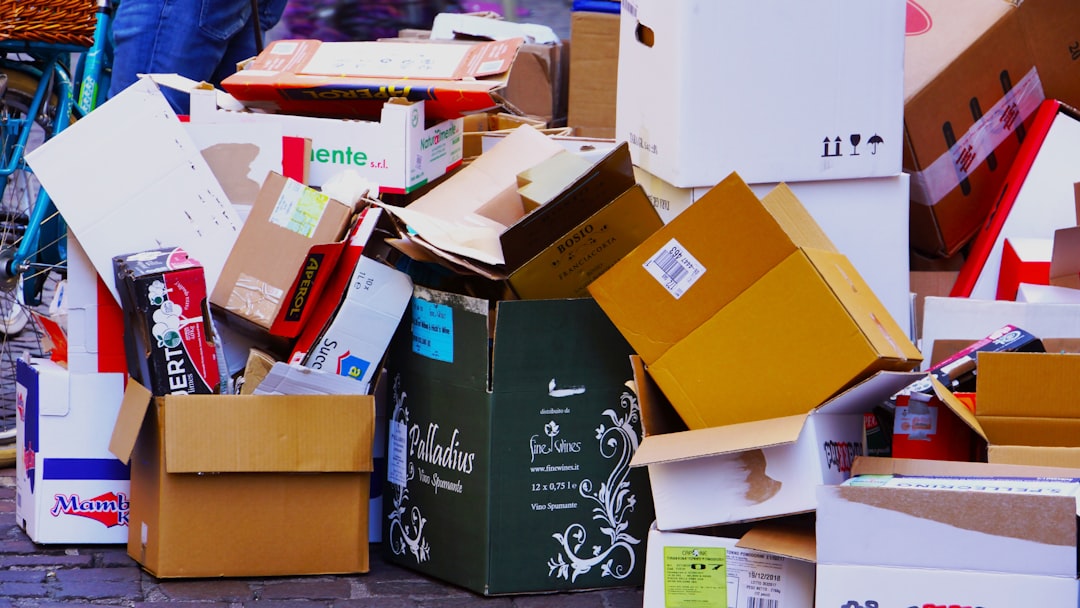
Tracking and verifying your charity donation contributions is a critical but often overlooked aspect of ensuring your generosity makes a real impact. Effective tracking allows you to assess the effectiveness of your charitable giving and make informed decisions about future donations. This is particularly important when engaging in what’s commonly known as charity donation house clearance, where large volumes of items are collected for distribution or sale to benefit worthy causes.
Take, for instance, the example of a successful charity donation house clearance event held in Bedfordshire. By meticulously tracking each donated item—from furniture and clothing to kitchenware and books—the organizers could ensure that all contributions were accurately cataloged, cleaned (when necessary), and either sold through an online marketplace or distributed directly to local shelters and schools. This not only maximized the financial return but also provided a transparent record of impact for donors. Similarly, events in Kent and Somerset have seen similar success stories, with donations ranging from gently used clothing to surplus food being channeled efficiently to those in need.
However, tracking charity donations extends beyond the immediate event. It involves establishing systems to monitor both the inflow and outflow of goods. For businesses participating in charity donation house clearance, this might mean setting up dedicated accounts for donated items, keeping detailed records of what’s received, and implementing robust inventory management practices. For individuals, it could involve taking photos of each item before donating, creating a digital or physical inventory, and regularly reviewing these records to ensure everything aligns with official receipts.
Verifying your donations is equally crucial. This involves not only ensuring the items are in good condition but also confirming that they reach the intended recipients. Many charities provide donation verification services, offering donors peace of mind by confirming the final disposition of their contributions. For businesses, this might involve working closely with partner charities to establish clear lines of communication and accountability. Individuals can give us a call at charitable donation collection services for advice tailored to their specific needs.
Ultimately, efficient charity drop-offs require a commitment to both tracking and verifying donations. By doing so, individuals, businesses, and communities can ensure that the generosity of donors translates directly into meaningful support for worthy causes—from feeding the hungry to providing shelter for the homeless—in a way that feels good and makes a lasting impact.
Efficient charity drop-offs are not just about donating items; they involve strategic planning, effective packing, and thoughtful tracking. By implementing the key insights from this article, individuals and organizations can maximize their impact through local charity donation house clearance. Planning ahead ensures donations are well-organized and readily accessible, while proper tracking verifies contributions and provides transparency. For those looking to make a significant difference, prioritizing these steps in the drop-off process is essential, allowing for greater efficiency and enhanced support for worthy causes.