
Charity donation house clearance is a sustainable solution transforming unwanted items into resources for local communities. Organizations host collection events, making donation participation convenient. Donors should properly prepare items, focusing on cleanliness and condition. Beyond clothing, charities accept books, toys, and household goods, reducing waste and carbon emissions. This method supports worthy causes, strengthens communities, and offers personal benefits like fostering community involvement and promoting mental well-being. Research local organizations, choose specific needs, and set a goal of regular giving to maximize impact and ensure targeted contributions.
With a vast amount of clothing going to waste each year, the role of charitable organizations in accepting donations of clothes for house clearance becomes increasingly vital. This practice not only offers a sustainable solution to textile waste but also provides a lifeline for those in need. However, navigating this process can be complex, with challenges ranging from logistics to ensuring items are in wearable condition. This article delves into the world of charity donation house clearance, exploring how these organizations provide a crucial service that benefits both communities and the environment. By understanding their operations, we can support their efforts more effectively.
- Understanding Charity Donation House Clearance
- Benefits of Donating Clothes to Charities
- Identifying Reputable Organizations for Clothing Donations
- The Process of Decluttering and Donating Efficiently
- Impact of Clothing Donations on Local Communities
- Tips for Maximizing the Value of Your Charitable Contributions
Understanding Charity Donation House Clearance

Charity donation house clearance is a powerful way to transform unwanted items into valuable resources for those in need. This process involves the systematic collection and distribution of gently used clothing and household goods, which can significantly impact local communities. When individuals or organizations choose to donate their pre-loved possessions, they contribute to a sustainable cycle that benefits both givers and receivers.
Many charitable organizations host dedicated donation collection events, making it easier for donors to participate. These events often take the form of pop-up drives or scheduled collections at various locations, ensuring a convenient experience for those wishing to contribute. For instance, some charities partner with local businesses or community centers to hold clothing swaps and donations drives, fostering a collaborative environment that encourages participation. By participating in these initiatives, folks can clear out their homes while supporting worthy causes. Additionally, online platforms and apps have emerged to connect donors with nearby charitable collections, making the donation process more accessible than ever.
Preparing items for charity donation requires a bit of consideration but yields immense satisfaction. Donors should ensure that clothing is clean, repair any minor damage, and fold or pack items carefully. For furniture and larger items, evaluating their condition is crucial. Charities often have specific criteria for what they can accept, so it’s beneficial to check with local organizations before donating large pieces. Properly preparing and categorizing donations increases the likelihood of them finding new homes, maximizing the impact on charitable collections near me. As a professional in this space, I’ve seen firsthand how thoughtful donations enhance the overall efficiency and effectiveness of charity donation house clearance programs.
Beyond clothing, many charities accept a wide range of items, including books, toys, and household goods. Donating unused furniture near me is an excellent way to clear space while providing essential resources for local shelters or community centers. Data suggests that charitable donations collection events can divert significant amounts of waste from landfills, contributing to more sustainable practices. By embracing house clearance methods, individuals not only support worthy causes but also play a role in building stronger, more resilient communities.
Benefits of Donating Clothes to Charities
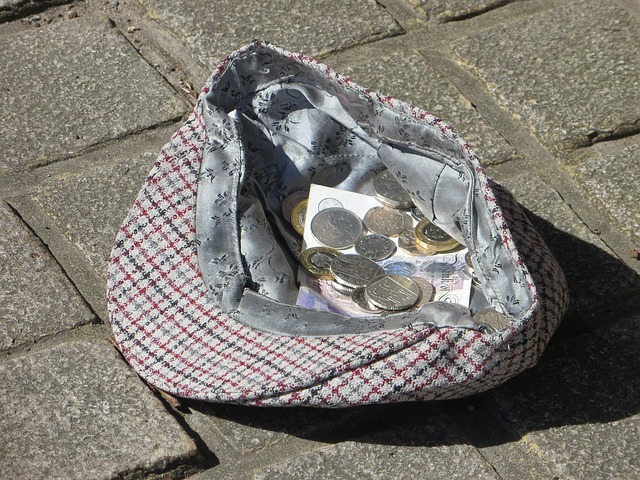
Donating clothes to charitable organizations is a significant act of generosity that offers numerous benefits both for the recipient communities and the donors themselves. When individuals choose to clear out their closets and contribute to house clearance for local charities, they are not only ridding their spaces of unwanted items but also playing a vital role in supporting sustainable practices and helping those in need. Many charitable organizations rely on donations of clothes and home goods as a primary source of funding and resources, ensuring that their missions can continue.
The process of donating clothes to charity involves several steps, including preparing the items for donation through proper laundering and organizing them into saleable or usable conditions. This preparation is crucial in maximizing the value of your contribution. For instance, many charities have partnerships with specialized collection points or conduct house clearance events where they gather donations from local residents. By participating in these collections, individuals can ensure that their unwanted belongings find new purpose while potentially reducing waste and carbon emissions associated with textile disposal. Data suggests that donating clothes to charity can divert substantial amounts of material from landfills, highlighting the positive environmental impact of such initiatives.
Moreover, engaging in charitable donations offers personal benefits, fostering a sense of community involvement and promoting mental well-being. Clearing out a room for charity allows individuals to declutter their living spaces while contributing to a greater cause. It can be a therapeutic process, providing an opportunity for reflection on one’s possessions and the value they hold beyond mere materialism. Additionally, knowing that your donations are making a direct impact in local communities can instill a sense of pride and connection. For those looking to support charitable organizations, donating clothes is an accessible way to get involved, and it encourages a culture of giving back within society.
Identifying Reputable Organizations for Clothing Donations

When considering where to donate clothes, it’s crucial to approach the process with a critical eye, ensuring your contributions go towards reputable organizations aligned with your values. Reputable charity donation house clearance centers play a vital role in redistributing unused items, from clothing to kitchenware, furniture, and school supplies, while also clearing out clutter locally. Organizations like Goodwill, Salvation Army, and Oxfam are well-known for their work in this area, but it’s important to dig deeper and consider other options that may be more specialized or better suited to specific needs.
Researching beyond the obvious names can unveil hidden gems—local non-profits, community centers, and religious organizations often accept donations of household goods, including gently used clothing, furniture, and kitchenware. These smaller groups may offer unique benefits like personalized pickup services for larger donations or direct support to vulnerable populations within your community. For instance, schools often face challenges sourcing essential supplies, and dedicated organizations specialize in collecting and distributing these items locally, ensuring they reach the students who need them most.
When evaluating an organization, consider transparency regarding donation use, their impact statement, and any independent ratings or reviews. Websites like Charity Navigator can provide valuable insights into a charity’s financial health and accountability. Remember, your intention is to contribute positively to a cause while decluttering responsibly; choosing the right charity donation house clearance option ensures both goals are met effectively.
The Process of Decluttering and Donating Efficiently

Decluttering your home can be a rewarding process, but it’s often daunting to know where to start, especially when considering charity donation house clearance. Efficiently recycling household goods plays a vital role in this journey, ensuring that unwanted items find new purpose while supporting worthy causes. Many charitable organizations accept donations of clothes and household goods, transforming them into valuable resources for local non-profits serving diverse communities.
The process begins with sorting through your possessions, identifying items in good condition that can be donated. This includes clothing, furniture, books, and even small appliances. For example, a recent study revealed that the average American family donates around 8 pounds of clothing per person annually. By clear out a garage or attic, you can contribute to this statistic significantly. Local charities often organize house clearance events, making it easier for donors to part with items and offer them a tax deduction. Remember, each donation matters; even seemingly insignificant household goods can make a substantial difference in someone’s life.
When donating, consider the organization’s specific needs. Some charities specialize in providing furniture for those transitioning out of homelessness, while others focus on distributing clothing to low-income families. Recycling household goods three times throughout the year is an excellent goal to set. This sustainable approach ensures that items are continuously circulated within your community, fostering a culture of generosity and environmental responsibility. Whether it’s through local donation centers or direct pickups, efficient charity donation house clearance is a powerful way to create positive change.
Impact of Clothing Donations on Local Communities

Clothing donations play a pivotal role in fostering positive impacts within local communities, with charitable organizations serving as the backbone of this initiative. When individuals opt for charity donation house clearance, they contribute to more than just a clean space; they are fueling a network that transforms pre-loved items into resources for those in need. Many nonprofit organizations specialize in organizing estate sales or holding free charity donation pick-up events, ensuring that gently used books, clothing, and media can find new homes easily. For instance, consider the global impact of donations to secondhand stores; according to research, these outlets generate significant economic benefits, supporting local employment while providing affordable goods to low-income families.
The process of donating clothes extends beyond material gains, as it fosters social connections and empowers communities. Nonprofit estate sales, for example, offer a platform for community engagement, where residents can come together to donate, shop, and support local causes. This interactive approach not only facilitates the collection of much-needed donations but also strengthens neighborhood ties. Furthermore, organizations that specialize in how to donate books and media play a crucial role in promoting literacy and access to information. By clearing out unused textbooks, DVDs, or records, these charities ensure that such resources reach schools, libraries, and community centers, enriching lives through education and entertainment.
Expert insights highlight the long-term advantages of clothing donations for local communities. As one industry specialist notes, “Donations drive sustainability and resilience in our neighborhoods.” By supporting charitable organizations, individuals contribute to a circular economy where items are reused rather than discarded, reducing waste and environmental impact. This holistic approach ensures that every donation, whether it’s through house clearance or dedicated pick-up services, has the potential to make a significant difference in someone’s life while leaving a positive ecological footprint.
Tips for Maximizing the Value of Your Charitable Contributions

When considering how to maximize the impact of your charitable contributions, especially through clothes donations, it’s crucial to understand the process from both the donor’s and charity’s perspective. Many individuals and families hold onto items they no longer need with the intention of donating them, often as a means to declutter their spaces and contribute to worthy causes. However, not all donations are created equal; efficient handling and preparation can significantly enhance the value these gifts bring to charitable organizations, ensuring your efforts make a tangible difference.
For instance, consider that a single donation of gently used clothing can provide several people in need with essential items. However, charities face challenges such as sorting through large volumes of donations and ensuring each item finds its suitable recipient or resale outlet. To optimize this process, donors should focus on preparing their items for charity donation effectively. This includes washing and drying clothes, organizing them by type and size, and considering whether the items are still in good condition, free from stains, and up-to-date with current fashion trends. For example, a nonprofit estate clearance service may have specific guidelines regarding what types of art, collectibles, or vintage clothing they accept, so understanding these criteria beforehand ensures your donation meets their needs.
Moreover, the value of donations extends beyond physical items; charities also appreciate the time and effort donors invest in sorting and packaging collections. When preparing charitable collections near you, consider grouping similar items together, using clear labeling, and ensuring everything is clean and presentable. This streamlines the receiving charity’s process, enabling them to distribute your donation more efficiently. Regularly scheduling charity donations—say, 1-3 times a year—can also provide a consistent source of support for these organizations. Data suggests that regular donors contribute to sustained growth and stability in charitable collections, fostering an environment where every gift counts.
In terms of maximizing impact, it’s beneficial to research local charities and understand their unique needs and areas of focus. Some may specialize in specific demographics or causes, such as children’s welfare, veterans’ support, or environmental conservation. Tailoring your donations to meet these specialized requirements can ensure that your contributions are directed towards the most relevant initiatives. Ultimately, maximizing the value of your charitable donations involves a combination of thoughtful preparation, regular giving, and aligning your gifts with the specific needs of the charities you support.
By understanding the process of charity donation house clearance and its multifaceted benefits, individuals can make informed decisions about their clothings’ second life. Donating to reputable organizations not only supports local communities but also facilitates sustainable practices. Efficient decluttering streamlines the process, ensuring a positive impact on both personal spaces and societal needs. This article has highlighted the power of each contribution, encouraging readers to maximize their charitable efforts through strategic donations. Moving forward, individuals can take practical steps by identifying trusted charities, sorting their items with care, and embracing the transformative effect of giving.