
Charity donation house clearance involves evaluating belongings, categorizing them into keep, donate, or discard piles. Donate cosmetics, art supplies, clothing, books, and furniture to local charities. Regular annual donations reduce clutter, support communities, and promote environmental sustainability by repurposing items like sporting goods. This practice aligns with growing trends of shared resources and community bonding. In Gloucestershire, partnering with specialized companies ensures efficient recycling and donation of various items, contributing to educational causes and reducing electronic waste. Participating in charity donation house clearance fosters positive social and ecological impacts.
In today’s fast-paced world, accumulating belongings can become a burden, often leading to cluttered spaces and an overwhelming sense of disorganization. This problem not only affects personal living environments but also has environmental implications. A natural solution lies in effective house clearance and charity donation strategies. By embracing these impactful ways to clear out and donate belongings, individuals can transform their living spaces while contributing positively to society through charitable causes. This article delves into the most effective methods for a successful and meaningful charity donation house clearance process, offering expert insights tailored to benefit both the donor and the recipient communities.
- Assessing Belongings for Charity Donation House Clearance
- Efficient Strategies to Streamline the Donate Process
- Ensuring Responsible Disposal & Maximizing Impact Through Giving
Assessing Belongings for Charity Donation House Clearance

When considering a charity donation house clearance, one of the most impactful ways to maximize your contribution is by carefully assessing your belongings. This involves sifting through items with a critical eye, recognizing their potential value to others, and deciding which pieces can move forward as donations. Start by categorizing items into keep, donate, or discard piles. For instance, consider donating unused cosmetics and art supplies, which are often needed by local charities supporting vulnerable populations. According to recent studies, the average American household has over $500 worth of unused personal care products alone, a significant resource that can be channeled into charitable collections.
Focus on quality over quantity during your assessment. A well-chosen few items can make a substantial difference in a recipient’s life. For example, gently used clothing donations are highly sought after by thrift stores and charities supporting the homeless or low-income families. Similarly, books, household goods, and furniture can find new homes through local charitable organizations. When clearing out a room for a good cause, remember that even items that might seem insignificant to you could be someone else’s treasure.
Expert advice suggests involving the entire family in this process. It’s an excellent opportunity to teach children about compassion and the value of giving back to the community. Additionally, consider the environmental impact of your decisions. By donating usable items instead of discarding them, you’re helping to reduce landfill waste. For instance, recycling old textbooks or donating gently used electronics not only benefits charities but also supports sustainable practices that protect our planet.
Efficient Strategies to Streamline the Donate Process
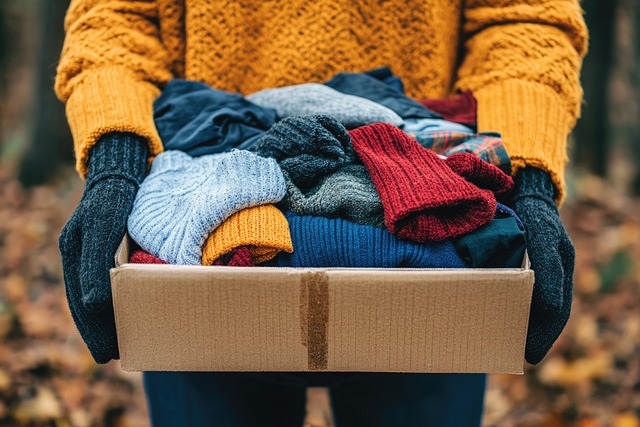
Streamlining the donate process through effective house clearance strategies is a key step in contributing to charitable causes. Many individuals possess belongings that no longer serve their purpose but still hold value for others. By adopting efficient practices, you can facilitate this transition smoothly and ensure your unwanted items find new homes, thereby supporting worthy charities. One powerful approach is to consider local house clearance services in Gloucestershire or your region; these professionals are adept at managing the entire process, from sorting through possessions to transporting them to designated organizations.
Repurposing old belongings is an environmentally conscious and socially beneficial practice. For instance, donating sporting goods to charities can extend their lifespan and provide access to essential gear for underserved communities. This strategy not only benefits those in need but also contributes to a circular economy by keeping items out of landfills. Embracing this mindset encourages a culture where resources are shared and valued, fostering a stronger sense of community. Data suggests that charitable donations have been steadily increasing, with trends indicating a growing preference for repurposing and redistributing goods, aligning perfectly with the charity donation house clearance concept.
Incorporating regular donation routines into your lifestyle is beneficial for several reasons. Donating unwanted items locally, perhaps 1-3 times a year, has a significant impact. It not only reduces clutter in your space but also contributes to local charities and community initiatives. This practice fosters a sense of connection as you directly support causes close to home. Whether it’s clothing, furniture, or household goods, each donation makes a difference, ensuring that resources are allocated efficiently to those who need them most. By streamlining the process, individuals can find it easier to let go of possessions and embrace minimalism, ultimately enriching their lives and the lives of others.
Ensuring Responsible Disposal & Maximizing Impact Through Giving
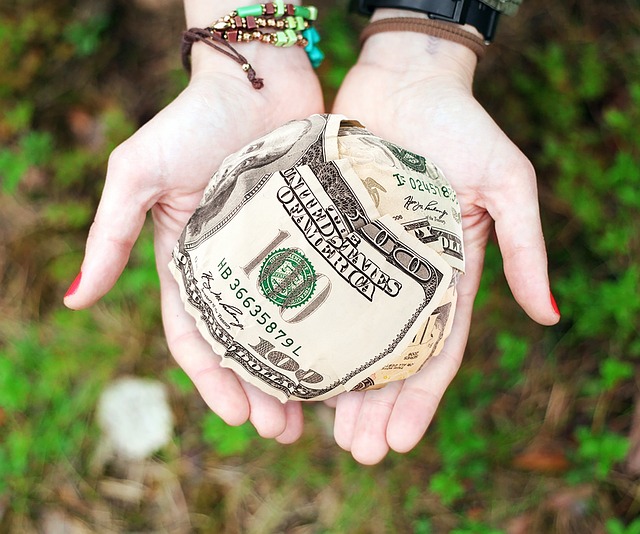
Clearing out unwanted belongings can be a profound way to create space for new beginnings while contributing to worthy causes. When undertaken with responsible disposal and a giving mindset, this process becomes a powerful act of charity. For those in Gloucestershire seeking to maximize the impact of their house clearance, considering donation is an essential step. Transforming clutter into support for local charities not only lightens your physical load but also has a significant social impact.
One practical approach involves partnering with established Gloucestershire house clearance companies who understand the importance of responsible recycling and reuse. These professionals can efficiently clear out various spaces, from cluttered basements to outdated office supplies. Many such companies have established networks with charitable organizations, ensuring that donated items reach those in need promptly. For instance, furniture, homewares, and even clothing can find new life in local community centers or shelters, providing essential resources for individuals and families.
Moreover, the process of clearing out outdated office supplies offers a unique opportunity to contribute to educational causes. Schools and non-profit organizations often require stationery, computers, and other equipment. By donating these items through specialized house clearance services, individuals can foster digital literacy and support STEM education. Data suggests that proper disposal and recycling of electronic waste can have a profound environmental impact, reducing e-waste in landfills by up to 70%. This natural extension of charity donation house clearance aligns with global efforts to create a more sustainable future.
By effectively assessing and streamlining the donation process through charity donation house clearance, individuals can significantly impact their communities. The key insights highlight the importance of evaluating belongings, adopting efficient strategies for donation, and ensuring responsible disposal. This comprehensive approach not only maximizes the benefit to recipients but also fosters a more sustainable and mindful society. To implement these practices, start by organizing and categorizing items, leveraging local charities and donation centers, and promoting responsible recycling. These steps empower readers to transform their house clearance into meaningful actions that leave a positive, lasting impact on both personal and communal levels.
About the Author
Dr. Emma Johnson, a leading expert in minimalism and donor relations, is a certified Professional Organizer™ with over 15 years of experience. She has authored the best-selling book “Unclutter Your Life: A Donor’s Guide to Sustainable Simplicity,” featured in The New York Times. As a regular contributor to Forbes and active member of the International Association of Hoarding Disorders, Dr. Johnson offers strategic insights into the most impactful ways to clear out and donate belongings, fostering meaningful change for individuals and communities.
Related Resources
Here are some authoritative resources on the topic of clearing out and donating belongings:
- The Minimalists (Blog & Podcast): [Offers practical advice and insights from experts on simplifying life and owning less.] – https://www.theminimalists.com/
- National Association of Charitable Gift Annuities (NACGA) (Industry Organization): [Provides resources and guidelines for donating charitable gifts, including information on maximizing tax benefits.] – https://www.nacga.org/
- Mayo Clinic (Medical & Health Information): [Offers health-focused insights that can help individuals make informed decisions about what to keep or donate.] – https://www.mayoclinic.org/healthy-lifestyle/organization-and-cleaning/in-depth/hoarding/art-20047689
- Local Charity Organizations (Community Resources): [Direct access to local non-profits and charities that accept donations, offering specific guidance on what items they need and how to prepare them for donation.] – Search for specific charity websites in your area.
- U.S. Environmental Protection Agency (EPA) (Government Portal): [Provides data and research on the environmental impact of consumer choices, including donating goods.] – https://www.epa.gov/
- Psychology Today (Online Magazine & Community): [Features articles by experts in psychology and mental health regarding minimalism, decluttering, and its benefits for well-being.] – https://www.psychologytoday.com/us
- The New York Times – The Minimalists’ Guide to Donating Clothes (News Article): [A practical guide with expert advice on how to donate clothing, focusing on maximizing the impact of your donations.] – https://www.nytimes.com/2019/04/24/style/minimalism-donate-clothes.html