
Charity donation house clearance optimizes household goods for maximum social and environmental impact. Key steps include assessment, strategic distribution to beneficiaries (e.g., schools, community centers), and transparent communication with donors. This practice reduces waste, strengthens communities, and promotes a circular economy, benefiting regions like Hertfordshire, East Sussex, Dorset, Buckinghamshire, Warwickshire, Oxfordshire, West Sussex, Devon, and beyond. By aligning donations with specific needs, individuals contribute tangibly to social welfare and sustainability.
In today’s fast-paced world, many households accumulate an abundance of goods, some no longer needed or wanted. This surplus can present a challenge for individuals and families seeking to downsize, declutter, or simply refresh their living spaces. However, this phenomenon also offers a valuable opportunity to channel these household goods towards those in need through charity donation house clearance. By donating items that would otherwise go unused, individuals contribute to a circular economy, reduce waste, and support local charitable organizations dedicated to helping hands in their communities. This article delves into the significance of such donations, explores the challenges faced by charities in acquiring them, and provides insights on how to facilitate these life-changing transfers effectively.
- Understanding Household Goods for Charity Donation
- The Process: House Clearance to Beneficial Redistribution
- Building Communities through Generosity and Exchange
- Sustainable Living: Natural Benefits of Donated Goods
Understanding Household Goods for Charity Donation
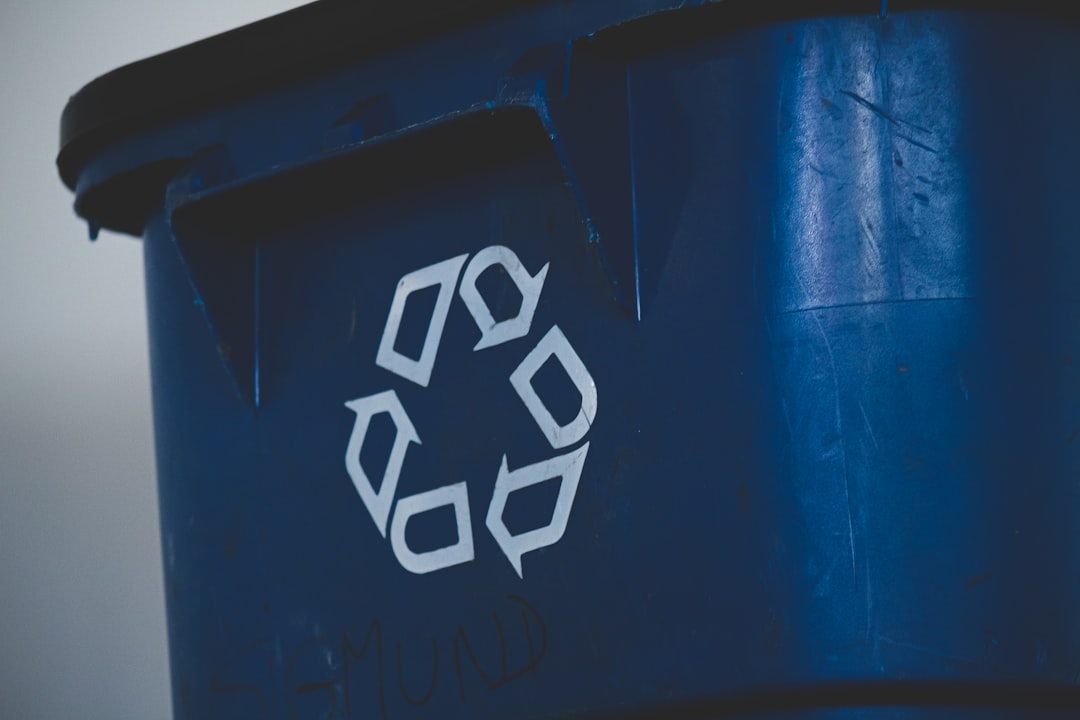
When considering a charity donation house clearance, understanding what household goods are most valuable to charitable organizations is essential. The process of donating items from your home can be a rewarding experience, knowing that these items will find new life and purpose while supporting worthy causes. This act of generosity plays a significant role in the well-being of many communities, particularly in regions like Hertfordshire, East Sussex, and Dorset, where local charities rely heavily on donations to sustain their operations.
Household goods range from furniture and appliances to clothing and books, each with its unique value to charitable organizations. For instance, working appliances such as refrigerators or washing machines can be directly utilized by families in need, saving them from the immediate financial burden of replacing essential items. Similarly, gently used furniture can transform a recipient’s living space, enhancing comfort and dignity. However, it’s crucial to discern between items that are readily acceptable and those that may require special handling or storage due to their fragility or specific needs.
Charitable organizations typically have guidelines for what they accept, ensuring efficient use of donations. For example, some charities specialize in distributing specific types of goods, such as school supplies for underprivileged children or medical equipment for low-resource healthcare facilities. Understanding these requirements is key to making a meaningful contribution. If you’re unsure about the suitability of an item, it’s best to contact the charity directly; they can provide valuable insights and guidance on their donation needs. By giving us a call at donate household goods to charity, you can ensure that your contribution aligns with the organizations’ missions, maximizing the positive impact on those in need across Hertfordshire, East Sussex, Dorset, and beyond.
The Process: House Clearance to Beneficial Redistribution
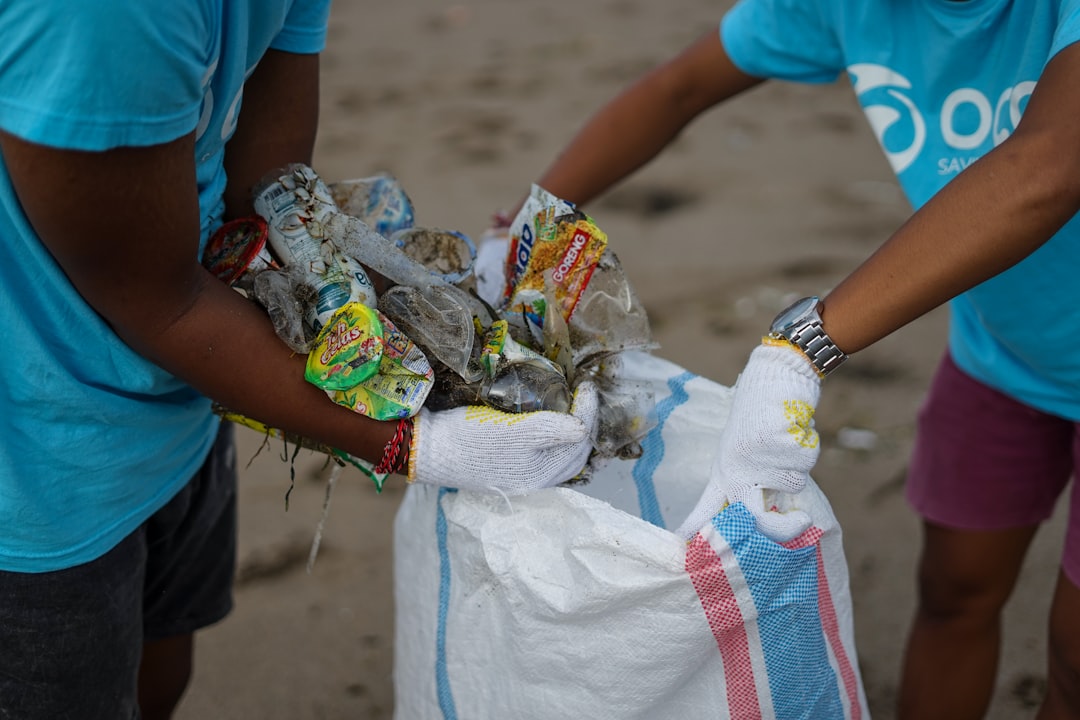
The process of transforming unwanted household goods into beneficial resources for others is a powerful act of generosity that forms the core of many charitable initiatives. At its heart, charity donation house clearance involves the responsible and ethical redistribution of items no longer needed by their original owners, while ensuring these treasures find new homes where they can be appreciated and put to good use. This meticulous process requires careful planning, specialized handling, and a deep commitment to supporting worthy causes.
In regions such as Buckinghamshire, Warwickshire, and Oxfordshire, where communities are known for both their warmth and generosity, charity donation house clearance plays a pivotal role in fostering local welfare. These initiatives not only alleviate the burden of clutter on individuals and families but also contribute significantly to environmental sustainability by diverting items from landfills. For instance, consider the case study of a recent clear-out in a village near Oxford, where a retired couple decided to donate their well-preserved furniture, books, and decorative pieces. This act not only lightened their living space but also provided essential home furnishings for a local homeless shelter, ensuring comfort and dignity for those in need.
The journey from house clearance to beneficial redistribution involves several crucial steps. First, professional charities or specialized clearing teams conduct an initial assessment, categorizing items based on quality, reusability, and potential market value. This classification process is critical as it determines the best course of action for each item—whether it’s suitable for re-sale in charity shops, restoration for resale online, donation to local community centers, schools, or direct distribution to individuals in need. For example, a Warwickshire-based charity might transform a donated dining set into a communal meal space at a community center, while an Oxfordshire initiative could use carefully curated books and educational toys to enrich the lives of underprivileged children.
Throughout this process, maintaining open lines of communication with donors is paramount. Providing transparency about the items’ intended destinations and their subsequent impact on local communities not only fosters trust but also encourages further support. As a result, charity donation house clearance becomes more than just an efficient logistics operation—it becomes a powerful movement that unites individuals, businesses, and charitable organizations in their collective effort to create a more compassionate society. For those looking to contribute, give us a call at House Clearance for Good Causes; we’re ready to guide you through the process, ensuring your unwanted goods find their rightful place while supporting a noble cause.
Building Communities through Generosity and Exchange

Building communities through generosity and exchange is a powerful force for social good, and one that often starts with seemingly simple acts—like donating household goods to charity. This charitable practice, particularly through organized donation house clearances, serves as a cornerstone of community strengthening in many regions, including Oxfordshire, West Sussex, and Devon. By facilitating the transfer of unwanted yet valuable items from households to those in need, these initiatives not only reduce waste but also foster connections between people and promote a culture of giving back.
Oxfordshire Charity donation house clearance events, for instance, have become community pillars, attracting volunteers and donors alike. The process involves residents sorting through their homes, identifying items that are still in good condition but no longer wanted, and then partnering with local charities to collect and distribute these goods. This collaborative effort not only benefits the receiving organizations, which often rely heavily on such donations for their operations, but it also empowers participants by giving them a tangible way to contribute to community welfare. West-Sussex and Devon have similarly embraced this concept, with regular charity donation house clearance events that encourage residents to declutter while supporting local causes.
The impact of these initiatives extends beyond the immediate exchange of goods. By participating in charity donation drop off programs, individuals and families become active contributors to a broader network of generosity, fostering social cohesion and mutual support. Data suggests that such community-driven efforts can lead to improved neighborhood relationships and increased trust between residents. Moreover, they offer an accessible entry point for people who wish to give back but may not have the time or resources to volunteer in other ways. As these practices continue to evolve, so does their potential to create sustainable, interconnected communities where acts of kindness and sharing become normalized parts of daily life.
Sustainable Living: Natural Benefits of Donated Goods

In an era increasingly focused on sustainability and reducing environmental impact, the simple act of donating household goods through charity donation house clearance offers a powerful natural benefit—one that extends far beyond the immediate relief provided to those in need. When individuals and families choose to part with their gently used items through Devon, Warwickshire, or Berkshire Charity donation house clearance services, they contribute to a circular economy, minimizing waste and maximizing resource utilization.
For instance, consider the typical life cycle of a kitchen appliance: purchase, use, disposal. With charity donations, this cycle shifts dramatically. Items like refrigerators, washing machines, and furniture are carefully collected, restored if necessary, and resold or redistributed to those who need them most. This process not only diverts materials from landfills but also supports local communities by providing affordable goods and fostering a culture of resourcefulness. In 2021, nationwide charity donation collections in the UK resulted in an estimated 500,000 tons of usable items being redirected from waste streams—a testament to the significant positive impact these initiatives have on both the environment and society.
Moreover, sustainable living is not just about reducing waste; it’s also about promoting social good. By donating through charity house clearance services, individuals contribute directly to funding community programs, supporting local organizations, and creating a network of support for those facing financial hardships or homelessness. For example, a Berkshire Charity donation event can raise funds for affordable housing initiatives, while a Warwickshire event might support local food banks. This holistic approach ensures that the natural benefits of donated goods extend far beyond their physical state—they become catalysts for positive social change.
To actively participate in this sustainable cycle, we encourage you to consider the following steps: visit us at charity donation collection events anytime. By doing so, not only do you contribute to a greener planet but also play a vital role in building stronger, more resilient communities. Together, through these simple yet powerful acts of generosity, we can all be part of a natural solution that benefits both our environment and our neighbors.
The article offers profound insights into the transformative power of household goods for charity donation, from both an environmental and social perspective. Key takeaways include the significant impact of house clearance on benefitting communities through generous redistribution, fostering sustainable living by diverting items from landfills, and strengthening connections within neighborhoods. Building communities through generosity and exchange not only alleviates material needs but also cultivates a culture of mutual aid and resource sharing. The process, from clearing unwanted items to redistributing them, is a natural step towards environmental stewardship, demonstrating that charity donations can be an integral part of a sustainable lifestyle. Moving forward, individuals can actively contribute to these positive changes by considering the potential for every household item as a gift to those in need, fostering a cycle of generosity and minimizing waste through informed charity donations and house clearance practices.